
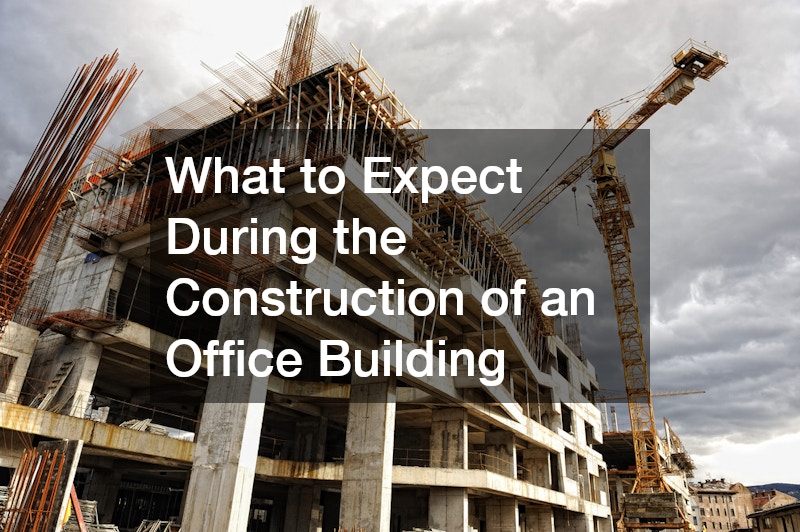
The construction of an office building is a complex and multifaceted process that requires careful planning, coordination, and execution. From conceptual design to the final handover, each stage contributes to creating a functional and aesthetically appealing workplace. The significance of the construction of an office building extends beyond the physical structure; it influences the efficiency of operations, the satisfaction of tenants, and the long-term sustainability of the building. Understanding what to expect during this process helps stakeholders, including developers, contractors, and investors, make informed decisions and anticipate challenges.
How Long Does The Construction Of An Office Building Typically Take?
The duration of construction of an office building varies widely based on multiple factors, including size, complexity, and location. While a small office might be completed within months, a large high-rise project can take several years from groundbreaking to completion.
Factors Affecting Construction Duration
The timeline depends on the complexity of the architectural design, availability of materials, workforce capacity, and regulatory approvals. Utilizing a commercial demolition service at the outset can impact scheduling by efficiently clearing existing structures, allowing subsequent construction phases to begin promptly.
Timeline For Small Vs. Large Office Buildings
Small office buildings often have shorter timelines due to simpler designs and fewer logistical challenges. Larger buildings require extensive structural planning, sophisticated mechanical systems, and coordination with specialists such as a commercial roofing company and commercial electrical service teams, which can extend the duration of the project.
Permitting And Pre-Construction Time Considerations
Securing permits and approvals is a critical early step. Delays in zoning approvals, environmental assessments, or utility connections can push back the schedule. Coordinating with a waste removal company during site preparation ensures regulatory compliance and keeps the construction site organized.
Common Delays In Office Building Construction
Weather conditions, labor shortages, and supply chain interruptions are common causes of delays. Dependence on specialized services such as commercial HVAC repair or commercial garage door installation may also contribute to scheduling challenges if contractors are not properly coordinated.
Strategies For Staying On Schedule
Effective project management, regular progress monitoring, and clear communication among contractors, architects, and suppliers help maintain the timeline. Incorporating on-site solutions such as a porta potty trailer for workforce convenience can improve efficiency and reduce downtime, particularly on larger projects.
What Are The Key Steps In The Construction Process?
The construction of an office building follows a structured process designed to ensure safety, quality, and timely completion.
Design And Planning Phase
Design and planning form the foundation of any successful project. Architects and engineers develop detailed blueprints, considering structural integrity, aesthetics, and functionality. Collaboration with consultants, such as the best elevator company, ensures that all vertical transportation systems meet operational and safety standards.
Site Preparation
Site preparation involves clearing, grading, and setting up temporary facilities. Contractors coordinate with a waste removal company to manage debris and with a porta-potty trailer provider to ensure worker facilities are available. This stage also includes installing temporary fencing and access roads for construction vehicles.
Foundation And Structural Work
The foundation provides the stability necessary for long-term performance. Excavation, pouring concrete, and erecting steel frameworks are critical steps. Coordination with a commercial roofing company and commercial garage door specialists begins early to ensure seamless integration of structural and functional components.
Interior And Exterior Finishing
Interior work involves partitioning, electrical installations, and HVAC system integration. A commercial electrical service provider ensures wiring meets code requirements, while commercial HVAC repair contractors install efficient heating and cooling systems. Exterior finishing includes façade work, windows, and parking lot improvements through parking lot paving services, with markings applied by a parking lot painter for safety and aesthetics.
Final Inspection And Handover
The project concludes with thorough inspections and testing of all systems, from elevators provided by the best elevator company to electrical and HVAC systems. After certification, the building is ready for occupancy, marking the culmination of the construction of an office building.
How Much Does The Construction Of An Office Building Cost?
Costs vary widely depending on building size, design complexity, and location. Understanding these factors helps in budgeting and financial planning.
Factors Influencing Construction Costs
Labor rates, material costs, and the need for specialized services such as a commercial demolition service or commercial roofing company can significantly affect overall expenses. Incorporating sustainability measures may increase initial costs but reduce long-term operational expenses.
Budgeting For Different Building Sizes
Small office buildings have lower material and labor costs, whereas large, multi-story buildings require substantial investments in structural components, elevators from the best elevator company, and advanced HVAC systems installed by commercial HVAC repair specialists.
Cost-Effective Construction Practices
Using modular construction techniques, prefabricated components, and careful scheduling can reduce waste and save money. Hiring reliable contractors and sourcing materials efficiently ensures that costs remain manageable without compromising quality.
Managing Unexpected Expenses
Unexpected challenges, such as the need for additional site preparation or emergency repairs, can increase costs. Having contingency funds and prearranged relationships with a waste removal company or commercial electrical service provider helps address unforeseen issues quickly.
Economic Impact On Construction Costs
Market fluctuations in labor and materials, along with changes in regulatory requirements, directly affect budgets. Engaging professionals such as commercial roofing company specialists early ensures that costs related to structural components are accurately estimated.
What Are The Main Challenges Faced During Construction?
Construction projects face numerous obstacles that can affect quality, safety, and timelines.
Weather And Environmental Challenges
Adverse weather can delay outdoor work like foundation pouring or parking lot paving. Environmental concerns, such as soil contamination or local wildlife, may require specialized handling by a waste removal company.
Labor And Workforce Issues
Shortages of skilled workers, especially for specialized trades like commercial HVAC repair or elevator installation by the best elevator company, can create bottlenecks. Maintaining workforce morale and productivity requires proper facilities, including on-site porta-potty trailer amenities.
Equipment And Material Availability
Delays in receiving key materials, such as roofing materials or electrical components, can stall progress. Establishing relationships with trusted suppliers ensures steady availability and prevents costly interruptions.
Safety And Compliance Regulations
Strict adherence to safety protocols protects workers and ensures regulatory compliance. Regular inspections and training programs minimize accidents and legal liabilities. Commercial garage door installations and commercial electrical service work must comply with building codes and safety standards.
Communication And Coordination
Clear communication between contractors, architects, and project managers is critical. Integrated scheduling of services like parking lot painter work, commercial demolition service, and commercial HVAC repair ensures that all trades work in harmony without conflicts.
How Are Sustainability Practices Incorporated In Construction?
Sustainability is a growing focus in office building construction, balancing environmental responsibility with long-term operational savings.
Green Building Certifications And Standards
Many office buildings aim for LEED or similar certifications. Compliance requires careful planning of materials, energy systems, and site management, often involving experts from a commercial roofing company and commercial electrical service teams.
Sustainable Construction Materials
Recycled steel, low-VOC paints, and energy-efficient glass reduce the environmental footprint. Efficient waste management through a waste removal company ensures that construction debris is properly recycled or disposed of.
Energy Efficiency In Design
Incorporating advanced HVAC systems, LED lighting, and smart building technologies minimizes energy consumption. Coordinating with the best elevator company ensures elevator systems are energy-efficient and meet performance standards.
Waste Reduction During Construction
Managing excess materials, recycling debris, and using prefabricated elements help reduce waste. Porta-potty trailer management and proper sanitation planning also contribute to efficient site operations.
Long-Term Sustainability Benefits
Sustainable construction practices reduce operational costs, enhance tenant satisfaction, and improve the building’s marketability. Thoughtful site planning, including parking lot paving and landscaping, supports stormwater management and environmental goals.
What Role Do Architects And Engineers Play?
Architects and engineers are the visionaries and problem-solvers behind every office building.
Architectural Design And Aesthetic Considerations
Architects focus on creating visually appealing and functional spaces. Coordination with structural engineers ensures that aesthetic elements are safe and practical, while also incorporating features such as commercial garage doors for easy access.
Structural Integrity And Engineering Solutions
Engineers guarantee the building’s strength, durability, and compliance with safety codes. Their work includes foundation design, load-bearing calculations, and integrating systems like commercial HVAC repair and electrical networks.
Collaboration Between Architects And Engineers
Close collaboration ensures that design intent aligns with structural requirements, mechanical systems, and building codes. Involving specialists such as commercial roofing company teams ensures that all systems work together seamlessly.
Technology In Design And Engineering
Advanced software tools, including Building Information Modeling (BIM), allow architects and engineers to simulate construction sequences, detect clashes, and optimize workflows. Integration with contractors like commercial electrical service providers improves project efficiency.
Problem Solving In Complex Projects
Unforeseen challenges, such as soil instability or design modifications, require creative solutions. Experienced teams coordinate with commercial demolition service providers or best elevator company installers to adapt plans without compromising schedules.
How Is The Quality Of Construction Ensured?
Quality assurance is critical for long-term building performance.
Quality Assurance Procedures
Routine inspections, material testing, and workflow monitoring ensure compliance with specifications. Coordination with commercial HVAC repair and commercial electrical service teams ensures that systems operate efficiently.
Role Of Inspections And Quality Control
Inspections verify adherence to building codes and project requirements. Specialists, such as a parking lot painter for exterior markings and a commercial roofing company for roof integrity, are engaged at critical checkpoints.
Selecting Reliable Contractors And Suppliers
Reliable contractors minimize rework and delays. Services such as waste removal company coordination, commercial garage door installation, and porta-potty trailer provision are best handled by experienced professionals.
Training And Certification Of Workforce
Properly trained workers ensure construction quality and safety. Certification programs for trades like commercial HVAC repair or elevator installation by the best elevator company enhance skill levels and reduce errors.
Addressing Quality Issues
Promptly addressing defects or inefficiencies prevents long-term problems. Effective communication with contractors, suppliers, and inspection teams ensures timely corrections.
Which Technologies Are Used In Modern Construction?
Technology is revolutionizing the construction of an office building, making it faster, safer, and more precise.
Drones And Aerial Surveying
Drones offer aerial views of the construction site, enabling monitoring of progress, inspection of structural components, and assessment of site safety.
Prefabrication And Modular Construction
Prefabricated components accelerate construction and reduce on-site labor. Prefabricated walls, mechanical units, and elevators from the best elevator company contribute to efficiency and quality control.
3D Printing In Construction
3D printing is emerging for producing building components, molds, and even structural elements, enhancing precision and reducing material waste.
Smart Building Technologies
Integration of IoT devices, energy management systems, and automated controls ensures that new office buildings are both efficient and responsive to occupant needs. Collaboration with commercial HVAC repair and commercial electrical service providers is key to successful implementation.
How Does Urban Planning Affect Office Building Construction?
Urban planning shapes the context in which office buildings are developed.
Zoning Laws And Land Use
Zoning regulations dictate building height, density, and land use. Developers must align the construction of an office building with local codes to avoid legal complications.
Infrastructure And Connectivity
Proximity to roads, utilities, and public transport affects site selection. Well-planned parking lot paving ensures smooth traffic flow, while access points designed with commercial garage door systems facilitate deliveries.
Community And Environmental Impact
Construction must consider noise, traffic, and environmental disruption. Working with a waste removal company ensures the responsible handling of construction debris.
Public And Stakeholder Involvement
Community consultations and stakeholder engagement help address concerns and gain approvals, reducing delays and fostering goodwill.
Urban Trends And Future Considerations
Smart cities and green building trends influence office building design. Sustainable systems installed by a commercial HVAC repair team or commercial electrical service provider enhance long-term performance.
What Are The Legal Considerations In Construction?
Legal aspects are critical for risk management in the construction of an office building.
Contract Law And Agreements
Clear contracts define responsibilities, timelines, and payments, reducing disputes. Coordination with service providers such as commercial demolition service or the best elevator company installers ensures contractual compliance.
Building Codes And Compliance
Adherence to local codes, safety regulations, and accessibility standards is mandatory. Engaging a commercial roofing company and commercial garage door installer ensures technical compliance.
Resolving Construction Disputes
Disputes over design, cost, or timelines require negotiation or legal resolution. Predefined contracts and effective communication with a parking lot painter or waste removal company partners help minimize conflicts.
Insurance And Risk Management
Insurance coverage for workers, equipment, and liability is crucial. Risk management includes safety protocols for teams performing commercial HVAC repair or electrical work.
Intellectual Property In Design
Architectural designs and engineering solutions are protected under intellectual property laws. Ensuring originality and respecting the IP rights of all contributors safeguards the project legally.
The construction of an office building is a sophisticated process that blends design, engineering, and project management into a cohesive workflow. From initial planning to final handover, each stage requires careful attention to detail, coordination with specialized contractors, and proactive problem-solving. Challenges such as weather, labor shortages, and regulatory compliance are mitigated through strategic planning, effective communication, and the adoption of modern technologies. Sustainability practices, quality assurance, and urban planning considerations further enhance the long-term value and functionality of office buildings.