
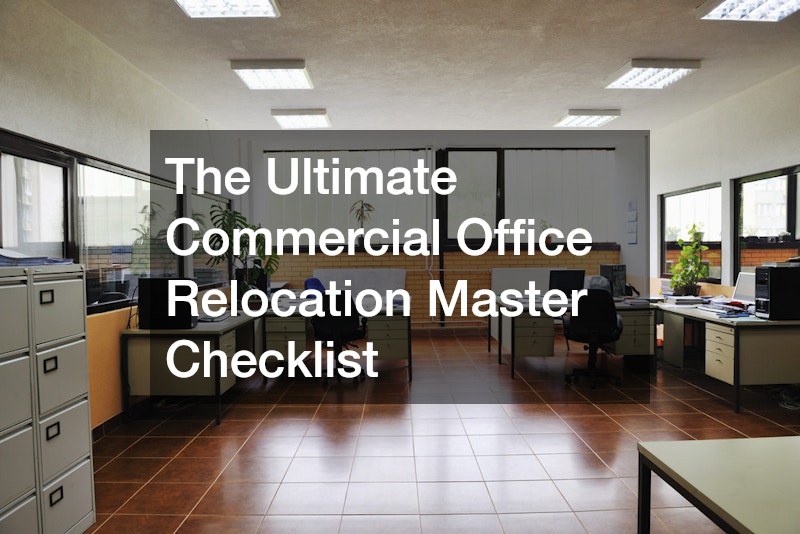
Relocating a corporate workspace involves hundreds of moving parts, strict project timelines, and significant operational risks. When an enterprise decides to shift its physical headquarters or open a new branch facility, project managers must carefully balance capital expenditures against ongoing business continuity. Downtime costs money. Every single hour spent searching for lost physical assets, untangling administrative delays, or troubleshooting network connectivity directly bleeds revenue and damages client confidence.
Successful corporate transitions require a comprehensive, phase-based strategic framework. Rather than viewing a commercial move as a single weekend event, high-performing organizations treat the process as a multi-month operational endeavor broken into distinct, manageable milestones. These milestones cover everything from lease negotiation analysis and structural infrastructure preparation to public branding updates and final post-occupancy facility restoration.
A structured master checklist ensures that critical operational dependencies are identified long before moving trucks arrive at the loading dock. By assigning clear internal accountability, setting firm departmental deadlines, and thoroughly vetting specialized external service providers well in advance, executive leadership teams can execute a smooth relocation without interrupting daily customer deliverables or compromising operational integrity. The following detailed master checklist provides a clear, actionable roadmap for managing a commercial office move from early strategic planning through final post-move alignment.
1. Establishing Financial Boundaries and Tax Strategy

Before signing a commercial lease or contracting external vendor services, the corporate relocation committee must establish a realistic capital budget. Physical moves involve complex financial transactions, including security deposits, lease buyout structures, tenant improvement allowances, and complex asset depreciation schedules. Without clear financial boundaries established at the outset, secondary expenses like structural retrofits, utility connection fees, insurance adjustments, and temporary storage rentals can quickly strain corporate working capital.
Early involvement of a certified CPA allows company executives to structure lease terms and initial capital expenditures in the most tax-advantageous manner. Moving expenses, outdated equipment write-offs, and new infrastructure investments carry specific tax implications that vary significantly across different state and local jurisdictions. Tax advisors evaluate which expenses can be immediately deducted as standard operational costs versus those that require long-term capitalization and systematic depreciation.
Additionally, financial advisory teams assist in establishing strict internal accounting controls for the entire move duration. Corporate relocation budgets routinely suffer from scope creep when unvetted change orders arise during facility build-outs or physical transport. Setting clear authorization thresholds early keeps costs contained and protects overall company liquidity throughout the corporate transition.
2. Records Audit and Secure Data Disposal
Packing up an entire corporate facility frequently exposes years of accumulated paper files, obsolete hard drives, and redundant physical archives. Transporting physical documents that no longer serve a valid business or legal purpose wastes packing supplies, labor hours, and valuable square footage at the new property. Moving unnecessary items also increases insurance liability during transit and adds unnecessary weight to freight shipments.
Several months prior to the scheduled move date, individual department managers should perform a thorough inventory of all physical records. Corporate record retention policies dictate which operational files, client contracts, personnel files, and tax records must be retained. Items that fall outside mandatory statutory retention periods must be handled with extreme care to maintain full compliance with federal privacy regulations like HIPAA and FACTA.
Scheduling a certified document shredding service to operate on-site allows organizations to destroy confidential paperwork securely before moving crews pack a single box. Obtaining formal destruction certificates provides the required proof of compliance for future regulatory audits. Purging unnecessary paper lightens physical freight weight, cuts transport fees, and safeguards sensitive client information during transit.
3. Floor Plan Design and Workspace Layout
Modern commercial layouts must carefully balance open collaborative zones with private work areas, proper acoustic dampening, and ergonomic requirements. Transferring existing desks into a new building without verifying actual dimensions leads to congested walkways, blocked electrical access points, and compromised safety compliance. Proper spatial planning ensures that department workflows flow logically between interconnected teams without unnecessary friction.
Facility planning teams should collaborate directly with a trusted office furniture company to create an optimized floor plan layout. Space planning professionals assess employee workflow patterns, power drop locations, natural lighting sources, and HVAC airflow to maximize overall workplace productivity. Selecting modular desks or ergonomic seating early in the planning timeline prevents supply chain delays from impacting the firm’s move-in target date.
When selecting new furniture systems, procurement managers should emphasize durable commercial-grade materials, integrated wire management channels, and scalable configurations that support future headcount growth. Placing orders several months in advance ensures manufacturing and delivery schedules align perfectly with lease commencement dates and interior construction timelines.
4. Operational Accounting and Expense Tracking

Managing dozens of supplier invoices, utility deposits, and contractor progress payments during a major office relocation can quickly overwhelm internal finance personnel. From architectural fees to municipal permitting costs, tracking every line item requires rigorous ledger accuracy to prevent overpayment and maintain financial integrity. Unorganized records make it difficult to reconcile final project budgets and evaluate vendor performance.
Partnering with a reliable book keeping company ensures that every relocation expense is recorded accurately within corporate accounting systems. Methodical record-keeping simplifies cash flow forecasting during months when major capital expenditures occur simultaneously. Retainers, progress billings, and vendor security deposits must be tracked continuously against specific contractual milestones to maintain accountability across all participating contractors.
Accurate ledger management also simplifies post-move financial reviews and cost reconciliation. By keeping purchase orders, estimates, and paid receipts systematically categorized in real time, financial managers can swiftly compare actual expenditures against baseline relocation projections. This financial oversight prevents unexpected budget overruns from affecting core business operations and ongoing working capital.
5. Site Exterior and Access Infrastructure
First impressions of a corporate headquarters begin outside the front entrance. While interior architectural modifications receive significant attention, exterior accessibility, pavement safety, and traffic flow are equally vital for commercial properties. Inadequate outdoor facilities can cause logistical bottlenecks on delivery days, create hazards for walking staff, and project a neglected brand image to arriving visitors.
Before relocating staff members and welcoming clients to a new building, management must inspect parking areas, pedestrian walkways, and loading bays. Contracting a specialist for parking lot paving or commercial asphalt repair addresses hazardous potholes, corrects drainage issues, and ensures smooth transit for heavy transport vehicles during move days.
Properly paved surfaces featuring crisp stall striping, clear fire lanes, and compliant accessible parking spaces keep the business fully aligned with municipal building codes and federal accessibility standards. Upgrading exterior surfaces minimizes premises liability risks, protects company vehicles from unexpected wear, and presents a crisp, professional environment to employees and visitors from day one.
6. Property Branding and Exterior Signage
A commercial move offers an ideal opportunity to refresh physical brand identity and enhance commercial visibility within a new economic district. Exterior building signage serves as a primary marker for visiting clients, prospective employees, and delivery services, locating the updated address. Substandard or missing signage creates navigation confusion and weakens overall commercial presence.
Engaging a qualified sign service early in the facility planning process provides adequate lead time for custom fabrication, landlord review, and local government code approval. Exterior facade signs, monument signs, directional signs, and interior reception lobby displays must adhere to local zoning ordinances and building owner design criteria.
Design consultants recommend choosing weather-durable materials and energy-efficient illumination, such as channel letter LED systems, to maintain strong visibility day and night. Installing main exterior signage well ahead of the official opening date establishes local market presence, reinforces company branding, and helps delivery drivers identify the facility during the busy transport phase.
7. Digital Footprint and Search Visibility Adjustments

Updating a physical headquarters requires a parallel effort to update corporate digital touchpoints. Failing to correct address details online leads to customer confusion, missed shipments, and search engine ranking penalties that degrade incoming leads. Digital presence must move in tandem with physical corporate assets to maintain operational continuity.
Executing a coordinated SEO strategy during physical relocation protects search visibility and localized organic rankings. Marketing teams must systematically update core address citations across major online directories, Google Business Profiles, mapping platforms, and corporate social channels. Aligning business name, address, and phone details across web properties allows search engine algorithms to transfer historical domain authority seamlessly to the new physical coordinates.
Additionally, setting up landing page notices, updating email footers, and implementing schema markup on site headers assist web crawlers in indexing the change cleanly. Managing digital listings alongside physical moving logistics prevents drop-offs in organic web traffic and maintains uninterrupted client communication across all marketing channels.
8. Business Collateral and Print Updates
While digital channels drive online engagement, physical business collateral remains essential for daily business operations, executive networking, and client-facing presentations. Distributing sales materials or invoices bearing obsolete contact information projects poor attention to detail and causes mailing errors. Refreshing print assets ensures a cohesive brand image across all offline client touchpoints.
Organizations should engage a full-service printing service to reorder essential stationery, including executive business cards, corporate letterhead, mailing envelopes, product brochures, presentation folders, and physical mailing labels. Auditing existing collateral inventories early allows teams to batch print orders, reducing unit costs and avoiding last-minute rush fees.
Timing print production to coincide with official building occupancy ensures fresh marketing assets are ready for distribution before operations resume. Providing employees with updated print collateral during launch week reinforces brand continuity and gives sales teams professional tools to announce the move to their client networks.
9. Modular Assembly and Furniture Installation
When transport trucks unload structural fixtures at the new location, building modular cubicles, heavy desk units, and conference tables requires technical expertise. Incorrect assembly damages costly assets, creates structural hazards, and delays department start dates. Improperly assembled workstations can also violate workplace safety regulations and void manufacturer warranties.
Hiring professional office furniture installers guarantees that workstation panels, standing desks, and storage systems are assembled safely according to structural specifications. Certified installation crews possess proper heavy-lifting tools, precision leveling hardware, and anchoring equipment necessary to secure large fixtures to floors or walls safely.
Experienced installers coordinate closely with internal IT departments to route power lines and network cabling through dedicated furniture chases during assembly. This systematic setup eliminates wire clutter, reduces electrical hazards, and enables employees to log into their workstations without operational delays on their first morning back in the office.
10. Sanitation and Former Lease Surrender

After physical assets have been transferred, both the newly occupied facility and the former office space demand deep sanitation. Preparing a new space for immediate workforce occupancy requires surface cleaning, while restoring old property prevents severe landlord penalties. Neglecting cleanups can result in withheld security deposits and costly lease dispute litigation.
Retaining a professional office cleaning service guarantees that both facilities meet standard commercial lease agreements and occupational health standards. At the new site, post-construction cleanup removes fine drywall dust, adhesive residues, and unpacking debris prior to employee arrival. At the former location, comprehensive deep cleaning restores the space to original handover condition, satisfying lease agreements and securing full security deposit returns.
Clean operational environments support employee wellness, elevate workplace morale, and allow facilities directors to conduct final walkthrough inspections with former building managers confidently. Professional cleaning completes the physical move lifecycle smoothly.
Post-Relocation Review and Long-Term Success
A successful corporate relocation concludes with thorough post-move reviews, systematic testing, and operational alignment. Executive leadership and facility management teams should evaluate vendor performance against original project contracts, confirm all critical utility connections and IT networks operate reliably, and resolve minor punch-list construction items immediately. Addressing minor deficiencies right away prevents long-term operational headaches and keeps staff focused on core business priorities.
Orienting staff members to new building security protocols, parking arrangements, emergency exit routes, and local amenities helps restore normal productivity rapidly. Collecting structured employee feedback during the initial weeks highlights minor adjustments needed regarding acoustic panels, lighting controls, or spatial arrangements.
By following a structured, phase-based master checklist supported by experienced professional partners, organizations convert potential relocation stress into a strategic operational success. Meticulous planning, diligent financial tracking, and synchronized service execution safeguard business continuity, protect brand equity, and position the firm for scalable future growth in its new commercial environment.