
Every homeowner eventually faces the same question: is this repair worth paying for, or am I just throwing money at a house I might sell in a few years anyway? The truth is that some upkeep costs quietly protect your resale value while others barely move the needle at closing. Knowing the difference can save you thousands of dollars and help you avoid both neglect and over-improvement. This guide breaks down which maintenance investments actually pay off when it comes time to list your property.
Roof Condition and Structural Integrity
A roof in poor condition is one of the fastest ways to scare off buyers or trigger a lowball offer during inspection. Even small issues like missing shingles, curling edges, or soft spots underfoot can signal deeper water damage that appraisers and home inspectors will flag immediately. Once that’s on a report, buyers often assume the worst and negotiate as if the entire roof needs replacing, even when the actual repair is minor. Getting ahead of this by hiring a licensed roofing contractor for an annual inspection can catch problems while they are still cheap to fix. A contractor can spot cracked flashing, clogged gutters causing backup, or granule loss that signals a roof nearing the end of its lifespan, often for the cost of a routine service call. Compare that few-hundred-dollar checkup to the $8,000-$20,000 a full roof replacement can run, and the math on prevention becomes obvious. Structural integrity matters just as much as the roofing material itself. Sagging rooflines, cracked foundations, or uneven floors suggest problems that go far beyond cosmetic repair and can kill a deal outright if discovered late in escrow. Addressing these issues early, and documenting the repairs, gives sellers proof of maintenance that reassures buyers and appraisers alike. Buyers consistently rank roof age and condition among the top factors influencing their offer price, often more than kitchen or bathroom updates. A roof with 10+ years of remaining life, backed by inspection records, can be a genuine selling point rather than a liability.
A roof replacement typically costs $8,000 to $15,000 depending on materials and square footage, but appraisers and buyers view it as a near-dollar-for-dollar recovery because it removes uncertainty about leaks and remaining lifespan. Asphalt shingles generally last 20-25 years, so if yours is approaching that age, a pre-listing inspection can help you decide between a full replacement or targeted repairs to flashing, gutters, and vents. Beyond the roof itself, structural integrity extends to the foundation and the way water moves around your home. Grading that slopes away from the foundation, functioning downspout extensions, and clean gutters all prevent the slow water intrusion that leads to costly basement or crawlspace repairs. Cracks, sagging, or uneven flooring can point to settling issues that are far more expensive to fix once ignored — foundation repairs can range from a few hundred dollars for minor crack sealing to $10,000 or more for piering and leveling. Home inspectors flag these issues specifically, and once they appear in an inspection report, buyers often demand price reductions well beyond the actual repair cost. Addressing these problems early keeps your home from being labeled a fixer-upper, which almost always reduces resale value. It also protects your negotiating position: a clean inspection report gives buyers confidence and reduces the leverage they have to renegotiate after your home is already under contract.
Foundation Leveling and Concrete Settling
Concrete that has sunk or shifted around walkways, driveways, and porches is more than a cosmetic issue. It often signals soil erosion or drainage problems beneath the surface that will only worsen over time if left alone. Many homeowners are surprised to learn that mudjacking companies can often fix uneven slabs for a fraction of the cost of full concrete replacement. This kind of targeted repair restores curb appeal and reassures buyers that the property has been well maintained.
Ignoring sunken concrete can also create liability concerns, since trip hazards near entryways are a common reason buyers walk away from otherwise solid homes. Fixing these issues before listing shows attention to detail that buyers notice immediately during a walkthrough.
Plumbing Maintenance and Drain Care
Plumbing problems are notorious for killing deals during the inspection period, especially when they are hidden until someone runs water or flushes a toilet. A slow or clogged drain might seem like a minor annoyance day to day, but it often indicates buildup or pipe issues that inspectors will note in their report. Regular maintenance, including professional drain cleaning, keeps water flowing properly and prevents small clogs from turning into costly backups. Buyers are far more comfortable making an offer when plumbing systems show a clear maintenance history.
- Schedule a professional drain inspection every one to two years
- Avoid pouring grease or coffee grounds down kitchen sinks
- Address slow drains immediately rather than waiting for a full blockage
- Keep receipts from any plumbing service as proof of maintenance
Fence Condition and Boundary Appeal
Fencing does more than mark property lines; it plays a real role in how buyers perceive privacy, safety, and overall upkeep. A sagging gate or missing pickets registers instantly, often before a buyer even reaches the front door, and that first impression can color how they view the rest of the property. Wood fences in particular require regular staining and repair, since they are prone to rot, warping, and insect damage if neglected for too long. Most wood fencing needs restaining every two to three years, and skipping that maintenance for five or more years often means replacing entire sections rather than simply refinishing them. Posts set in soil are especially vulnerable to moisture damage at the base, which is usually where rot starts and where inspectors and buyers tend to look first. A fence that looks tired or leans noticeably can make an entire yard feel neglected, even if the rest of the landscaping is in good shape. Vinyl and metal fencing hold up better with less ongoing effort, but they still need occasional checks for cracked panels, loose posts, or rust at the joints. Even a fence in decent structural shape can drag down curb appeal if it’s visibly faded or mismatched in color from patch repairs over the years. Replacing rotted posts or panels before listing is a relatively low-cost fix that meaningfully improves first impressions. Budgeting a few hundred dollars for spot repairs and a fresh coat of stain or paint is far cheaper than a full fence replacement, and it signals to buyers that the property has been consistently cared for rather than patched up at the last minute.
A sagging gate, leaning posts, or graying wood along the property line can quietly undercut a buyer’s first impression before they even reach the front door. Since fencing repairs range from a simple $150 post reset to a $3,000+ full replacement, it’s worth getting the diagnosis right before spending money in the wrong place. When choosing repairs versus full replacement, it helps to get a second opinion from local fence companies who can assess whether the structure is salvageable. A qualified contractor can check for rotted posts below the soil line, rusted hardware, or shifting foundations that aren’t obvious from a casual walk-through. In many cases, partial repairs combined with fresh stain or paint can restore most of the visual appeal without the expense of a total rebuild. Replacing a handful of damaged pickets, resetting a leaning section, and applying a weatherproof stain can often make a ten-year-old fence look nearly new for a few hundred dollars. Material matters too: vinyl and aluminum fencing typically need only cleaning, while wood requires resealing every two to three years to prevent the warping and discoloration that erode curb appeal fastest.
Exterior Paint and Surface Protection
Faded, peeling, or chalky exterior paint is one of the most obvious signs of deferred maintenance, and buyers notice it before they even step out of the car. Fresh paint not only improves curb appeal but also acts as a barrier against moisture, UV damage, and wood rot underneath the surface. Investing in quality paint protection for siding, trim, and decks can extend the life of these materials significantly, which matters to buyers who don’t want to inherit a repainting project. This is one of the rare upkeep costs where the return often exceeds the amount spent.
- Repaint exterior surfaces every five to seven years depending on climate
- Choose high-quality exterior-grade paint for lasting protection
- Pay attention to trim, fascia, and window frames, not just siding
- Address peeling paint promptly to prevent underlying wood damage
Tree and Landscape Risk Management
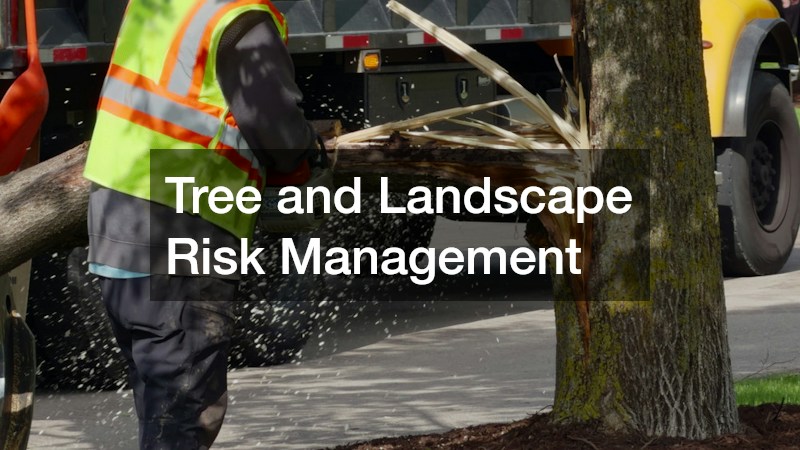
Mature trees add value to a property, but only when they are healthy and properly maintained. Overgrown branches near the roofline, leaning trunks, or visible disease can turn an asset into a liability in the eyes of a buyer’s inspector. Bringing in tree removal companies to handle dead or hazardous trees before listing prevents last-minute negotiations over safety concerns. A well-maintained yard with healthy, properly trimmed trees signals to buyers that the entire property has been cared for consistently.
It’s also worth noting that removing a hazardous tree is often far cheaper than dealing with the damage it could cause if it falls on a roof, fence, or power line. Proactive removal protects both your home’s value and your liability exposure while it’s still your responsibility to manage.
Grease Trap and Kitchen System Upkeep
For properties with commercial kitchens, rental units, or multi-family setups, grease trap cleaning is a maintenance item that buyers and inspectors take seriously. A neglected grease trap can lead to foul odors, slow drains, and even code violations that surface during due diligence. Keeping a documented cleaning schedule shows potential buyers or investors that the property has been operated responsibly. This kind of behind-the-scenes maintenance rarely gets attention until it becomes a problem, which is exactly why it protects value when handled proactively.
Even in single-family homes with garbage disposals and heavy kitchen use, grease buildup in pipes can mirror the same issues seen in larger systems. Simple habits like scraping plates before washing and avoiding pouring oil down the sink go a long way toward preventing costly plumbing repairs later.
Security Systems and Safety Features

Buyers increasingly factor safety features into their decision, especially in larger homes or properties in areas where security is a top concern. While most residential buyers won’t need anything close to executive protection, the underlying principle still applies: visible, functioning security measures reassure buyers that the home is safe and well-managed. Features like updated locks, exterior lighting, and monitored alarm systems are relatively inexpensive upgrades that can support a stronger asking price. These improvements also reduce the perceived risk buyers associate with moving into an unfamiliar neighborhood.
It’s worth noting that security upgrades don’t need to be extravagant to be effective. Simple, well-documented improvements often carry more weight with buyers than expensive but unnecessary systems that don’t match the scale of the property.
Heavy Equipment and Specialty Repair Projects
Some property issues go beyond what a typical handyman or general contractor can safely handle, particularly when heavy materials or structural elements are involved. Projects like relocating a large shed, installing a heavy sign, hoisting a hot tub over a fence line, or repositioning HVAC equipment on a roof often require rigging services to move items safely without damaging the property. These jobs typically involve cranes, hoists, or specialized lifting rigs, along with load calculations that account for weight distribution, clearance, and ground stability. Attempting these tasks without the right equipment can lead to injury or costly structural damage that far outweighs the original repair cost. A dropped condenser unit can crack a roof deck, a mishandled shed move can shear off siding or crush landscaping, and an improperly secured sign can become a liability hazard in high winds. Even minor missteps, like rigging a load at the wrong angle, can put thousands of pounds of unexpected stress on a structure never designed to bear it. Hiring specialists for these situations protects both the property and the people working on it. Licensed rigging crews carry insurance that covers accidental damage, which shields owners from absorbing repair costs if something goes wrong mid-project. That protection, combined with the specialized equipment and training these jobs demand, is often what separates a smooth relocation from an expensive insurance claim.
While this type of project is less common than routine maintenance, it becomes relevant for larger homes, rural properties, or those with outbuildings, septic systems, and heavy landscaping features. Stump grinding, retaining wall repair, septic tank pumping, well pump replacement, and driveway resurfacing all fall into this category, and each carries a price tag that can run from several hundred to several thousand dollars depending on scope. Knowing when a job requires specialized equipment, rather than DIY effort, helps avoid the kind of costly mistakes that can actually decrease resale value instead of protecting it. A poorly graded drainage fix, for example, can send water toward the foundation instead of away from it, turning a $500 rental-equipment project into a $15,000 foundation repair. Before tackling these projects yourself, weigh the cost of equipment rental against hiring a licensed contractor, and consider whether the job requires permits or inspections. Buyers and appraisers often ask for documentation on major structural or mechanical work, so keeping receipts and any permit paperwork adds credibility at resale time. When in doubt, a short consultation with a specialist can clarify whether a project is worth the investment or best left alone.
Protecting your home’s resale value doesn’t require an unlimited maintenance budget, but it does require knowing where to focus your time and money. Prioritizing structural systems, drainage, exterior surfaces, and safety features will consistently deliver a better return than cosmetic upgrades alone. Start by walking through your property with a buyer’s eye, noting anything that looks neglected or unsafe, and tackle those items first. A little proactive maintenance now can prevent much larger negotiations, or lost offers, down the road.