
As we move deeper into 2026, employee health and self-care are no longer viewed as optional perks—they are essential components of a successful, sustainable business. Burnout, stress-related illness, and disengagement continue to affect workplaces across industries, pushing employers to rethink how they support the whole person, not just the worker. Forward-thinking companies understand that productivity, creativity, and retention are directly tied to how employees feel physically, mentally, and emotionally.
Modern wellness strategies go far beyond offering health insurance or an occasional team lunch. Today’s workforce expects flexibility, personalization, and genuine care. Businesses that invest in employee well-being are rewarded with stronger morale, lower turnover, and improved performance. Below are practical, forward-looking ways companies can promote better health and self-care for employees in 2026.
Creating a Culture That Prioritizes Preventive Health
Preventive care is one of the most effective ways businesses can support long-term employee health. Encouraging routine checkups, screenings, and early intervention helps employees stay ahead of potential health issues while reducing long-term healthcare costs for employers. In 2026, many organizations are offering paid time off specifically for wellness appointments to remove barriers to care.
Some companies are also partnering with healthcare providers to host on-site or virtual wellness consultations. Encouraging employees to establish a relationship with a primary care physician empowers them to manage chronic conditions, ask questions early, and make informed decisions about their health. When preventive care is normalized and supported, employees are more likely to take proactive steps toward well-being.
Clear communication plays a key role as well. Educational workshops, digital wellness portals, and regular reminders help employees understand the value of preventive care and how to access resources without stress or confusion.
Leveraging Technology to Simplify Employee Wellness
In 2026, technology plays a central role in making employee wellness easier to access and manage. Businesses are increasingly adopting digital platforms that centralize health resources, benefits information, and wellness programming in one place. These tools help employees book appointments, track wellness goals, and explore available benefits without unnecessary complexity or time commitment.
Wearable integrations, mobile apps, and AI-driven insights allow employees to better understand their habits related to sleep, movement, and stress. When used responsibly, this data empowers individuals to make informed decisions while helping employers tailor wellness offerings to actual needs rather than assumptions.
By simplifying access and reducing friction, technology removes many of the barriers that previously prevented employees from engaging in self-care. The result is higher participation, better outcomes, and a more supportive workplace environment.
Supporting Mental Health as a Workplace Standard
Mental health support has become a defining factor in employee satisfaction. In 2026, businesses are expected to treat mental well-being with the same importance as physical health. This includes offering comprehensive mental health benefits, access to counseling services, and flexible work arrangements that reduce unnecessary pressure.
Managers are increasingly trained to recognize signs of burnout and emotional distress, creating a more empathetic and responsive workplace. Simple changes—such as meeting-free focus hours or mental health days—can have a significant impact on employee morale.
When mental health resources are easy to access and stigma-free, employees feel safer asking for help. This leads to healthier coping mechanisms, improved collaboration, and a workplace culture rooted in trust and understanding.
Encouraging Healthy Movement Throughout the Workday
Physical activity remains a cornerstone of employee wellness, but businesses in 2026 are approaching it with greater flexibility and inclusivity. Not every employee wants a traditional gym membership, so companies are offering diverse options that fit different lifestyles and abilities.
Some organizations provide stipends for fitness classes, walking challenges, or ergonomic equipment. Others integrate technology by managing wellness programs through a centralized gym management system, allowing employees to schedule classes, track progress, and participate in group activities without friction.
Encouraging movement during the workday—such as standing meetings, stretch breaks, or walking check-ins—helps reduce sedentary behavior and boosts energy levels. These small changes contribute to long-term physical health and mental clarity.
Building Flexible Work Structures That Reduce Stress
Rigid schedules are increasingly viewed as a major contributor to workplace stress. In response, businesses in 2026 are embracing flexible work structures that prioritize results over hours logged. Flexible start times, compressed workweeks, and hybrid models allow employees to align work with personal energy levels and responsibilities.
This flexibility is particularly beneficial for caregivers, parents, and employees managing health conditions. When workers are trusted to manage their time effectively, they experience less anxiety and greater job satisfaction. Reduced commuting time alone can significantly improve mental well-being.
Flexible work structures also benefit employers by reducing burnout and absenteeism. When employees feel their time is respected, they are more engaged, loyal, and motivated to contribute at a higher level.
Promoting Rest, Recovery, and Work-Life Balance
True self-care extends beyond activity and nutrition; it also includes rest and recovery. Businesses in 2026 are redefining productivity by acknowledging that well-rested employees perform better and make fewer mistakes. Flexible schedules, remote work options, and realistic workloads are now expected rather than exceptional.
Progressive companies encourage employees to use their vacation time fully and disconnect outside of working hours. Some organizations even offer company-wide recharge days to give everyone a collective break from emails and meetings.
Supporting physical recovery can be surprisingly simple. For example, providing first-aid supplies and wellness kits—including items like breathable tape for minor support needs—demonstrates attentiveness to employee comfort and safety in everyday situations.
Nourishing Employees With Thoughtful Food Options
Nutrition plays a vital role in energy, focus, and overall health. In 2026, businesses are moving away from generic snacks and toward more intentional food offerings that support diverse dietary needs. This might include healthy catered lunches, meal stipends, or partnerships with local restaurants.
Food can also be a powerful tool for connection. Team lunches, cultural food days, and shared meals help strengthen relationships and foster a sense of belonging. Even occasional treats—like ordering Peking duck takeout for a celebratory milestone—can boost morale when done thoughtfully.
Providing access to clean water, nutritious snacks, and flexible meal breaks shows employees that their well-being is valued throughout the day.
Encouraging Financial Wellness as Part of Self-Care
Financial stress remains one of the most common sources of anxiety for employees. Recognizing this, businesses in 2026 are expanding wellness programs to include financial education and support. Financial wellness is now understood as a critical component of overall health.
Employers may offer budgeting tools, access to financial advisors, retirement planning assistance, or workshops on debt management and savings strategies. Some organizations also provide earned wage access or emergency savings programs to help employees handle unexpected expenses.
When employees feel more secure financially, they are better able to focus, plan for the future, and engage fully at work. Addressing financial wellness demonstrates that employers care about employees’ lives beyond the office.
Offering Access to Personalized Wellness Services
Personalization is a defining trend in employee wellness for 2026. Rather than one-size-fits-all programs, businesses are offering customizable benefits that reflect individual goals and preferences. This may include wellness stipends employees can use toward services that matter most to them.
Some employees may choose skincare or stress-reduction treatments, such as a HydraFacial service, as part of their self-care routine. Others may focus on nutrition coaching, massage therapy, or mindfulness training.
By allowing employees to tailor their wellness benefits, businesses empower them to take ownership of their health in ways that feel meaningful and sustainable.
Creating Inclusive Wellness Programs for Diverse Needs
A diverse workforce requires inclusive wellness strategies that reflect different cultures, abilities, and life experiences. In 2026, businesses are placing greater emphasis on designing programs that are accessible and relevant to everyone, not just a narrow segment of employees.
This includes offering multilingual resources, accommodating varying physical abilities, and respecting cultural perspectives on health and self-care. Inclusive wellness programs also acknowledge that employees may face different stressors based on their background or role.
By actively seeking employee input and representation in wellness planning, organizations can avoid one-size-fits-all approaches. Inclusive programs foster belonging, trust, and participation, ultimately strengthening the entire workplace community.
Addressing Appearance-Related Confidence and Health Concerns
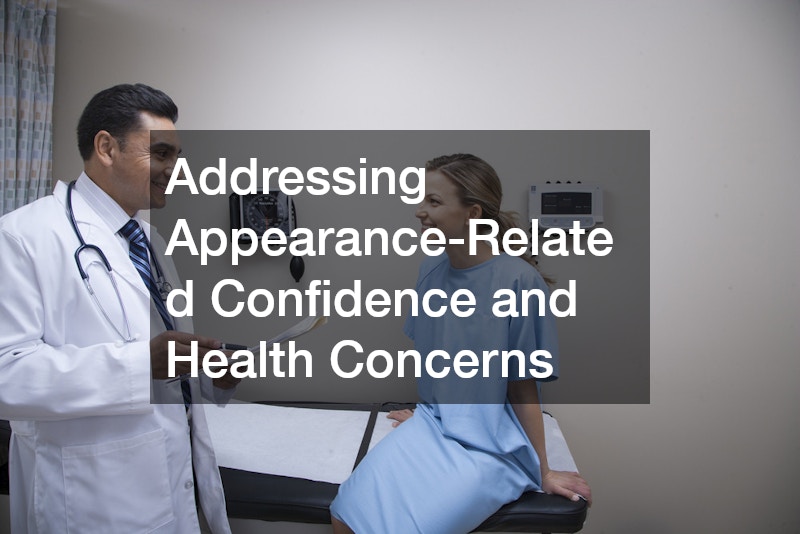
Confidence and self-image can significantly impact how employees feel at work. In 2026, more businesses are acknowledging that appearance-related concerns—when approached responsibly—are part of holistic well-being. This doesn’t mean promoting unrealistic standards, but rather supporting employees who seek solutions for personal reasons.
Wellness benefits may include access to medical consultations or elective treatments that improve quality of life. For example, some employees may explore orthodontic options like Invisalign to address long-standing dental concerns, while others may seek guidance from a hair loss clinic to restore confidence.
When handled with sensitivity and privacy, these benefits can help employees feel more comfortable, self-assured, and engaged in their professional lives.
Training Leaders to Model Healthy Behaviors
Leadership behavior has a powerful influence on workplace culture. In 2026, businesses recognize that promoting health and self-care starts at the top. Leaders who model healthy habits—such as setting boundaries, taking breaks, and using wellness benefits—send a clear message that self-care is valued.
Many organizations now provide leadership training focused on empathy, stress management, and work-life balance. Managers are encouraged to check in regularly with their teams, not just about performance, but about well-being.
When leaders demonstrate balance and transparency, employees feel more comfortable prioritizing their own health. This creates a culture where well-being is normalized rather than seen as a weakness or distraction.
Supporting Long-Term Health Goals With Medical Guidance
Chronic health challenges and long-term wellness goals require more than quick fixes. Businesses in 2026 are increasingly supporting medically guided programs that help employees make sustainable changes. This includes access to licensed professionals, evidence-based plans, and ongoing support.
Some employees may benefit from structured programs such as medical weight loss, which combine medical oversight with nutrition and lifestyle coaching. Offering coverage or stipends for these services helps employees address health concerns safely and effectively.
By supporting long-term health journeys, employers demonstrate a genuine commitment to employee well-being beyond surface-level initiatives.
Encouraging Social Connection and Life Enrichment
Health is not limited to the absence of illness—it also includes joy, connection, and fulfillment. Businesses in 2026 are finding creative ways to support employees’ social and emotional lives. This can include team outings, volunteer opportunities, or shared experiences outside of work.
Offering stipends or discounts for cultural and recreational activities helps employees recharge and feel more balanced. Whether employees choose to attend concerts, take a creative class, or spend time with family, these experiences contribute to overall happiness and resilience.
When companies recognize the importance of life outside work, employees are more likely to bring positive energy and focus back into the workplace.
Respecting Personal Choices and Life Stages
Employees come from diverse backgrounds and life stages, each with unique needs and priorities. In 2026, inclusive wellness strategies acknowledge these differences without judgment. Benefits packages are evolving to support family planning, caregiving, and personal transformation.
For some individuals, this may include post-pregnancy wellness or cosmetic procedures such as a Mommy Makeover, chosen for deeply personal reasons. While not every benefit is right for every employee, offering flexible options ensures that individuals feel seen and supported.
Respecting autonomy and privacy while providing access to trusted resources builds loyalty and trust between employers and employees.
Fostering a Sense of Purpose and Meaning at Work
Beyond physical and mental health, employees increasingly seek meaning and purpose in their work. In 2026, businesses are aligning wellness initiatives with opportunities for growth, contribution, and fulfillment. Purpose-driven work has been shown to improve motivation, resilience, and overall satisfaction.
Organizations can foster purpose by clearly communicating how individual roles contribute to larger goals, encouraging skill development, and supporting community involvement. Volunteer programs, mentorship opportunities, and mission-driven projects help employees feel connected to something bigger than themselves.
When employees find meaning in their work, self-care becomes more intuitive and sustainable. Purpose acts as a powerful foundation for long-term well-being and organizational success.
Measuring Impact and Continuously Improving Wellness Programs
Effective wellness initiatives are not static. Businesses that succeed in promoting health and self-care regularly assess what’s working and what needs improvement. In 2026, data-driven insights—collected ethically and anonymously—help organizations refine their programs.
Employee feedback surveys, participation metrics, and health outcome trends provide valuable information for decision-making. Companies that listen and adapt are better positioned to meet evolving needs.
Ultimately, promoting better health and self-care is an ongoing commitment. When businesses invest thoughtfully and authentically in their employees’ well-being, they create healthier workplaces, stronger teams, and a more sustainable future for everyone involved.