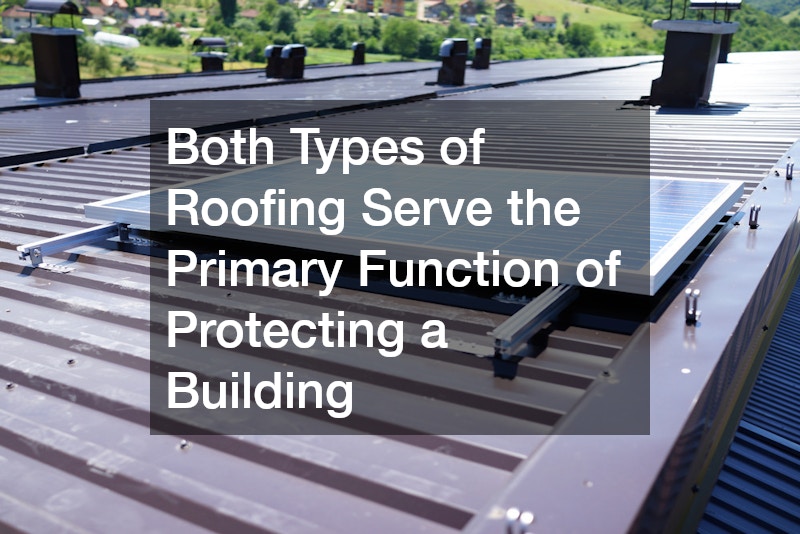
In the world of roofing, understanding the distinctions between commercial and residential roofs is crucial. Both types of roofing serve the primary function of protecting a building, but they diverge significantly in terms of design, materials, maintenance requirements, and overall installation strategies. This article will explore these differences to equip you with the knowledge necessary for making informed decisions, whether you’re considering a roofing project for a commercial or residential property.
What are the Key Structural Differences Between Commercial and Residential Roofs?
The structural differences between commercial and residential roofs primarily stem from their intended purposes and building types. A commercial roof typically covers a larger surface area than a residential roof, as commercial buildings often encompass wider expanses such as warehouses or retail spaces.
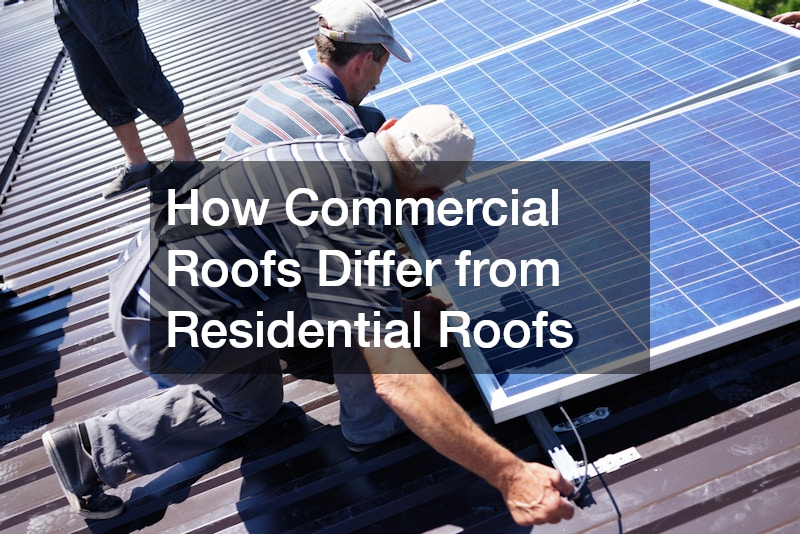
This added size necessitates enhanced load-bearing capabilities, which are vital for commercial roofing systems often laden with heavy heating, ventilation, and air conditioning (HVAC) systems or solar panels. In contrast, residential roofs generally require less structural fortification due to serving smaller areas. Furthermore, commercial roofs are often flat or have a very minimal slope, accommodating various industrial or utility purposes, while residential roofs are usually more pronounced in their slope, facilitating water drainage and adding aesthetic value to homes.
Moreover, commercial roofs are designed to support additional weight. This is largely due to their flat structure, where water pooling can become a concern, especially in areas with frequent precipitation. Residential roofs, with their steeper slopes, inherently assist in water and snow runoff, reducing the risk of leaks and the need for extensive waterproofing. This variation significantly influences the design and engineering of the support structures beneath each roof type, often making residential roofs less complex and cheaper to construct compared to their commercial counterparts. In urban environments where building codes and zoning regulations are strict, ensuring that a roof meets all necessary architectural standards is paramount, and these regulations can be vastly different between commercial and residential buildings.
Another noteworthy structural difference is in the construction timeline and technique. Commercial roofing projects typically extend over longer periods due to the sheer scale and intricacy of their requirements. They demand specialized teams to ensure every component is properly integrated. Residential roofing, on the other hand, can often be completed more swiftly. This efficiency is partly because residential roofing projects tend to employ more traditional construction methods and standardized materials. Despite differences in timeframe and process, both types of roofs play critical roles in protecting their respective structures from environmental elements and require expert craftsmanship for optimal functionality.
Which Materials are Commonly Used in Commercial vs. Residential Roofs?
The choice of roofing materials for commercial and residential applications is largely influenced by factors such as durability, cost, and environmental conditions. In commercial roofing, materials like thermoplastic polyolefin (TPO), ethylene propylene diene monomer (EPDM), and modified bitumen are quite popular. These materials are chosen for their robustness and ability to cover expansive, flat surfaces effectively. TPO roofs, for instance, offer excellent resistance to UV rays, making them ideal for large commercial buildings that need long-lasting sun protection. They are also lightweight and highly reflective, contributing to energy efficiency. In contrast, materials such as asphalt shingles, wood shakes, and slate are predominantly used in residential roofing, valued for their aesthetic appeal and the variety of styles available to homeowners.
Another significant consideration in material selection is the climate and weather patterns of the installation area. For example, commercial buildings in regions with harsh weather might opt for built-up roofing (BUR), a material known for its durability and strength, capable of withstanding heavy weather loads and foot traffic. Residential properties in warmer climates may lean towards clay or concrete tiles, known for their durability and heat resistance, helping to maintain cooler indoor temperatures. The functional demands placed on each roof type, such as insulation and ventilation requirements, directly inform the choice of materials, ensuring longevity and efficiency in both residential and commercial applications.
Cost is a critical factor influencing material choice, with certain materials offering a balance between price and performance. Asphalt shingles, the most popular residential roofing material, are relatively affordable and easy to install, providing homeowners with a budget-friendly option without compromising quality. Commercial roofing materials often represent a more significant upfront investment due to their specialized nature and installation techniques. However, these materials often offer extended lifespans, potentially leading to cost savings over time. Ultimately, understanding the advantages and limitations of each material is essential for making informed decisions that align with the specific needs of the structure and the owner’s budget.
How Do Maintenance and Repair Needs Differ for Commercial and Residential Roofs?
Maintenance and repair strategies differ considerably between commercial and residential roofs, mainly due to the distinct design and material characteristics of each. Commercial roofs, often being flat or low-sloped, are more susceptible to water pooling, leading to potential leaks and water damage if not addressed promptly. Regular inspections and maintenance are vital to preventing such issues, with an emphasis on ensuring that drainage systems are functioning correctly and that the roofing material remains intact. Commercial properties generally employ comprehensive maintenance programs that involve scheduled inspections and preventative measures, ensuring early detection and mitigation of potential problems.
The maintenance of residential roofs, however, is influenced by their steeper pitch and assorted material types. These roofs benefit from superior water runoff, reducing the risk of pooling but still requiring regular inspections to check for damaged shingles, gutters, and flashing. Homeowners often approach maintenance on a less rigorous schedule than commercial properties, but immediate action upon discovering issues such as loose or missing shingles is crucial to prevent more significant problems like leaks or structural damage. The frequency of inspections may vary based on the age of the roof and the local climate, highlighting the importance of tailored maintenance strategies.
Repair needs also show considerable distinctions. Commercial roof repairs often demand specialized skills and materials, especially when dealing with sophisticated systems like TPO or EPDM membranes. These complexities can result in higher repair costs and longer repair times. Residential roof repairs are generally more straightforward, involving common materials such as shingles or tiles, which can often be replaced quickly and affordably by general roofing contractors. Ultimately, whether dealing with a commercial or residential roof, maintaining a consistent maintenance schedule is key to preserving the integrity of the structure and minimizing repair costs over time.
While both commercial and residential roofs serve the essential function of protecting buildings, their differences in structure, materials, and maintenance require distinct approaches. Understanding these differences not only aids in making informed roofing choices but also ensures that both types of roofs can adequately perform their protective roles over time. From the engineering complexities of commercial roofs to the aesthetic and material considerations of residential roofs, each type possesses unique characteristics and challenges. Awareness of these factors enables property owners to choose the most suitable roofing solution, balancing function, cost, and durability to meet their specific needs and ensure long-term performance.