
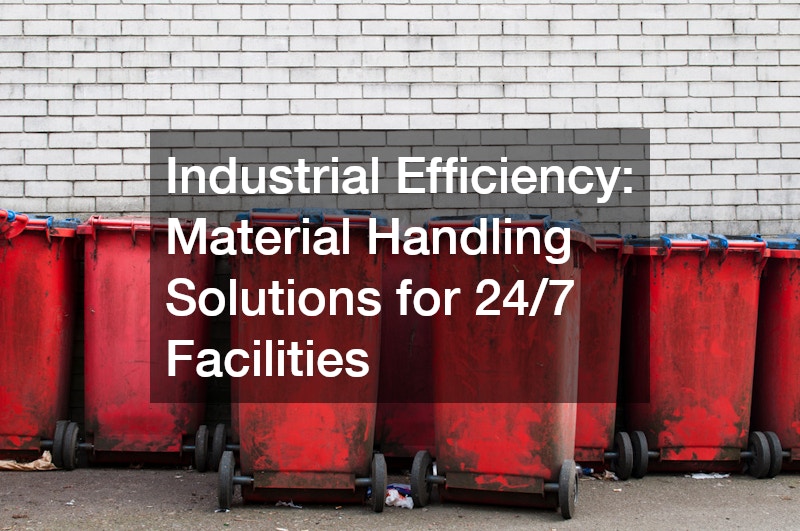
Efficiency serves as the heartbeat of any successful industrial operation. In the high-stakes world of 24-hour manufacturing and logistics, the movement of goods is only half of the equation. The other half involves how a facility manages the inevitable byproduct of production. To maintain a safe and productive environment, floor managers are increasingly looking toward integrated systems that treat debris removal with the same level of precision as their supply chain. This holistic approach ensures that operations never grind to a halt due to clutter or safety hazards.
When a facility operates around the clock, there is no “downward” time to catch up on maintenance or cleaning. Every minute spent maneuvering around overflowing bins is a minute of lost profit. Consequently, top-tier facilities are rethinking their infrastructure to include advanced material handling solutions. These systems are not just about moving raw materials to the assembly line; they are about the strategic placement and movement of waste receptacles to ensure that the workflow remains fluid and unobstructed.
The integration of professional disposal strategies into daily operations creates a cleaner, safer, and more profitable workspace. It allows employees to focus on their primary tasks without the constant distraction of managing overflow. By viewing waste as a logistical component rather than an afterthought, industrial leaders can unlock new levels of productivity that were previously hindered by poor spatial management.
The Role of Strategic Disposal in 24/7 Operations
In a 24/7 environment, the volume of discarded materials can become overwhelming within a single shift. Unlike residential neighborhoods, where a weekly pickup suffices, industrial zones require a constant cycle of removal. This is where a dependable dumpster rental partner becomes an essential extension of the facility’s team. Reliability is the cornerstone of this relationship because a missed pickup in a high-volume setting can cause a literal bottleneck on the loading dock, delaying both incoming shipments and outgoing products.
Modern industrial plants are designed with lean principles in mind. Every square foot of floor space is calculated for maximum utility. Therefore, the physical footprint of disposal equipment must be optimized. Managers often prefer a variety of sizes and types of containers to suit different areas of the plant, from metal shavings in the machining wing to cardboard packaging in the shipping department. Having the right tools for the job prevents the mixing of materials, which can complicate later stages of the disposal process.
Furthermore, the psychological impact of a clean workspace should not be underestimated. Workers are generally more focused and prone to follow safety protocols when their environment is organized. When the floor is clear of debris and disposal units are emptied on a consistent schedule, it signals a culture of excellence. This standard of cleanliness is only achievable when the backend logistics of waste removal are handled with professional rigor and foresight.
Optimizing Floor Space with Precision Equipment
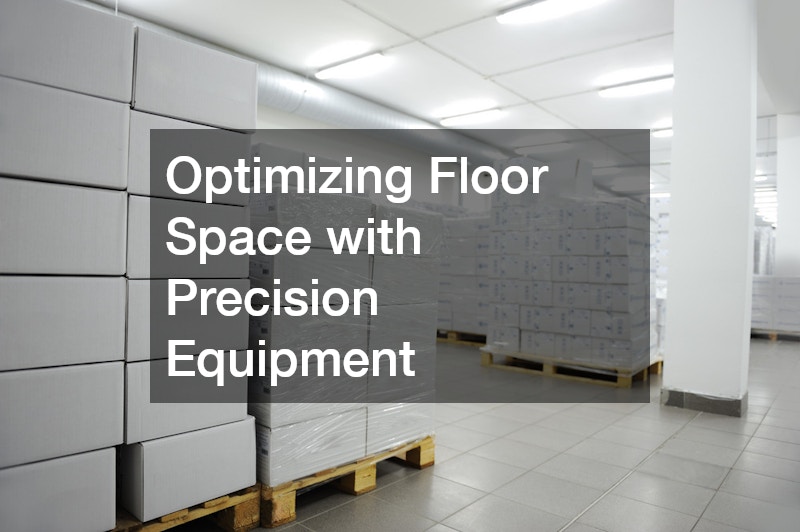
Space is a premium commodity in any warehouse or factory. To keep aisles clear for forklifts and automated guided vehicles, facilities must utilize equipment that can be tucked away or easily swapped out. The use of roll off containers has become a standard practice for this very reason. Their design allows for high-capacity storage while maintaining a manageable footprint that can be placed in designated “waste bays” outside the main traffic lanes.
Selecting the appropriate equipment involves more than just picking a large box. It requires an analysis of the types of materials being discarded. For example, heavy metal scrap requires a different containment strategy than lightweight plastic wrap. By using specialized containers, facilities can better organize their scrap for potential recycling revenue, turning a cost center into a small profit stream. This level of detail in equipment selection is what separates a world-class facility from a struggling one.
The process of “swapping” these units must be seamless. In a 24-hour cycle, a driver must be able to drop off a fresh unit and remove the full one without interrupting the flow of site traffic. This requires clear communication and a deep understanding of the site’s layout. When these transitions happen like clockwork, the facility avoids the “piling” effect that occurs when workers have nowhere to put their trash, which inevitably leads to safety violations and decreased morale.
Navigating the Logistics of Heavy Duty Hauling
The weight of industrial waste is often significantly higher than that of commercial or residential trash. Dense materials like concrete, steel, and heavy machinery components require specialized transport. This makes heavy duty hauling a critical service for facilities undergoing equipment upgrades or structural changes. Standard trucks simply lack the weight capacity and hydraulic power to move these massive loads safely across public roads.
Safety is the primary concern when dealing with high-density loads. Overloading a vehicle or using the wrong type of trailer can lead to mechanical failure or road accidents, both of which carry immense liability. Professional haulers bring the expertise needed to calculate load balances and secure materials properly. This expertise ensures that the facility remains compliant with Department of Transportation regulations, avoiding hefty fines and protecting the company’s reputation.
Beyond simple transport, the logistics of heavy removal involve careful scheduling. Large-scale hauling often requires specific permits or the temporary closure of certain access points. A professional service provider handles these administrative hurdles, allowing the plant manager to focus on production quotas. By delegating these complex tasks to experts, the facility ensures that even the most difficult disposal challenges are met with a high degree of technical competence.
Modern Garbage Collection for the Industrial Sector
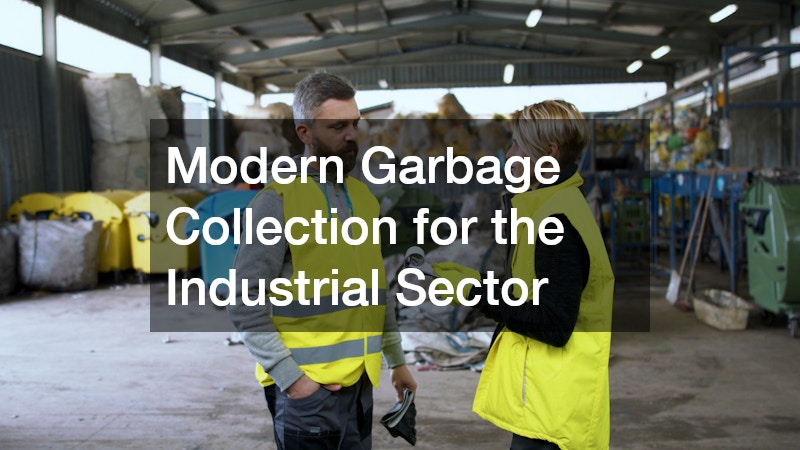
While the term might bring to mind a simple truck picking up a bin, industrial garbage collection in 2026 is a data-driven enterprise. Modern services utilize sensors and GPS tracking to monitor fill levels in real-time. This prevents “dry runs” where a truck arrives to empty a half-full bin, saving on fuel and reducing the carbon footprint of the facility. It also ensures that a bin is never left to overflow, which can attract pests or create environmental hazards.
The frequency of collection is another variable that must be tuned to the facility’s output. Some plants may experience “surge” periods during peak production months, where the volume of discarded material triples. A flexible collection schedule allows the facility to scale its disposal needs up or down without signing a new contract every month. This agility is a hallmark of modern industrial waste strategies, providing the support needed during high-stress periods.
Effective collection also involves a commitment to environmental stewardship. Many industrial materials are now subject to strict disposal regulations. A professional collection service provides the necessary documentation to prove that hazardous or regulated materials were handled according to the law. This paper trail is vital during audits and helps the company maintain its “Green” certifications, which are increasingly important to shareholders and customers alike.
The Benefits of Partnering with a Local Dumpster Rental
While national brokers often dominate the search results, there is a distinct advantage to working with a local dumpster rental company. Local providers have a better grasp of the specific municipal codes and landfill regulations in the immediate area. They are also much more likely to offer faster response times for emergency swap-outs. When a machine breaks down and creates a sudden influx of scrap, a local partner can often have a driver on-site within hours.
Community ties also play a role in the quality of service. Local businesses are invested in the success of the regional economy and are more likely to provide personalized customer service. You aren’t just a number on a spreadsheet; you are a neighbor whose business keeps the local economy moving. This personal touch often leads to more flexible billing cycles and a willingness to work through unique logistical hurdles that a national chain might ignore.
Furthermore, choosing local reduces the “empty miles” driven by heavy trucks. This not only lowers the overall cost of the service by reducing fuel surcharges but also aligns with corporate sustainability goals. By shortening the distance between the facility and the disposal site, the entire process becomes more efficient and less prone to delays caused by long-distance highway traffic or weather conditions across state lines.
Tailoring Dumpster Rental Services to Unique Needs
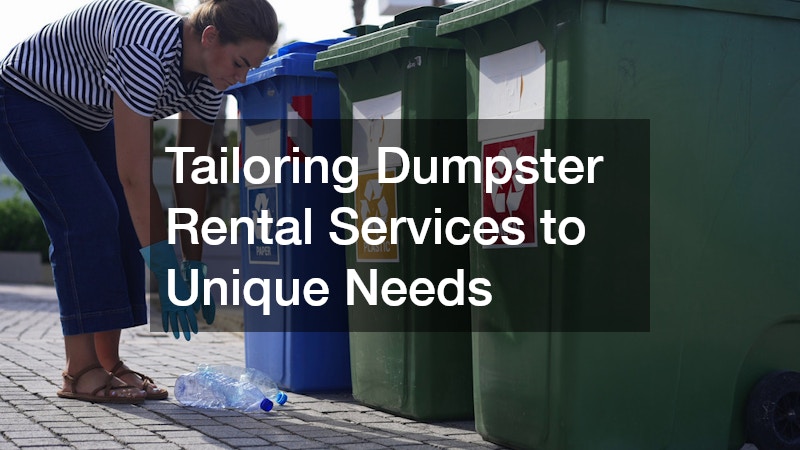
No two industrial facilities are identical. A food processing plant has vastly different needs than a textile mill or an automotive assembly line. Professional dumpster rental services understand this nuance and offer customized plans rather than a one-size-fits-all approach. This might include specialized leak-proof containers for wet waste or compactors that reduce the volume of bulky materials, thereby reducing the number of required trips.
Customization also extends to the timing of deliveries. For facilities located near residential areas, noise ordinances might restrict truck movements to certain hours. A tailored service plan takes these local restrictions into account, ensuring that waste removal happens during the most convenient and compliant windows. This level of attention to detail prevents friction with the surrounding community and local government.
In addition to the physical containers, these services often include site assessments. A waste expert can walk the floor and identify areas where disposal processes could be improved. Perhaps a smaller bin located closer to the point of origin would save workers twenty minutes of walking time every day. These small optimizations, when multiplied across hundreds of employees and three shifts, result in significant gains in total operational efficiency.
Integrating Professional Waste Management into Corporate Strategy
At the executive level, waste management is no longer seen as a mere utility bill. It is a key performance indicator (KPI) for operational excellence. Efficient disposal systems contribute directly to the bottom line by reducing labor costs, minimizing safety incidents, and potentially generating revenue from recycled scraps. Large corporations now include waste reduction goals in their annual reports, making the choice of a disposal partner a strategic decision.
A comprehensive strategy involves tracking the lifecycle of every material that enters and leaves the building. This “cradle-to-grave” tracking is essential for compliance with environmental laws and for meeting internal sustainability targets. By partnering with a sophisticated provider, a facility can access detailed reports that show exactly how much waste was diverted from landfills. This data is invaluable for marketing and for building brand loyalty in an increasingly eco-conscious marketplace.
The Mechanics of a Roll-Off Dumpster Rental
Understanding the mechanics of a roll off dumpster rental is helpful for site supervisors who manage the loading docks. These units are called “roll off” because they are loaded onto a truck using a winch and a set of rollers. Because they are rolled off the back of the truck, they require a significant amount of overhead clearance and a long, flat surface for placement. Knowing these physical requirements helps facility managers prepare the site before the truck arrives.
These containers are typically open at the top, making them easy to fill with a forklift or a manual loading crew. For 24/7 facilities, some units come with “walk-in” doors at one end, allowing workers to carry heavy items directly into the bin rather than lifting them over the side. This ergonomic feature reduces the risk of back injuries and speeds up the loading process. It is another example of how the right equipment can improve the daily lives of the workforce.
Securing a Dumpster Rental for Long-Term Success
When a facility enters a contract for a dumpster rental, it is securing more than just a metal box. It is securing a commitment to consistency. For a 24/7 operation, the peace of mind that comes with knowing the bins will be emptied as scheduled is priceless. It allows the management team to focus on production, knowing that the “back end” of the operation is being handled by professionals.
Long-term rentals often come with the benefit of newer equipment. A reputable provider will regularly rotate their inventory, ensuring that the containers on your site are in good repair, have working doors, and are free of excessive rust. This maintains the professional appearance of your facility and prevents issues like leaking or structural failure. It also ensures that the equipment remains compatible with the latest hauling technology.
Enhancing Productivity Through Better Organization
The ultimate goal of any industrial facility is to produce at maximum capacity with minimum waste. By focusing on the logistical side of debris removal, managers can remove many of the “invisible” barriers to productivity. Whether it is a clear path for a forklift or a simplified sorting process for scrap metal, these improvements add up. The integration of high-quality equipment and professional service is the key to maintaining this balance.