
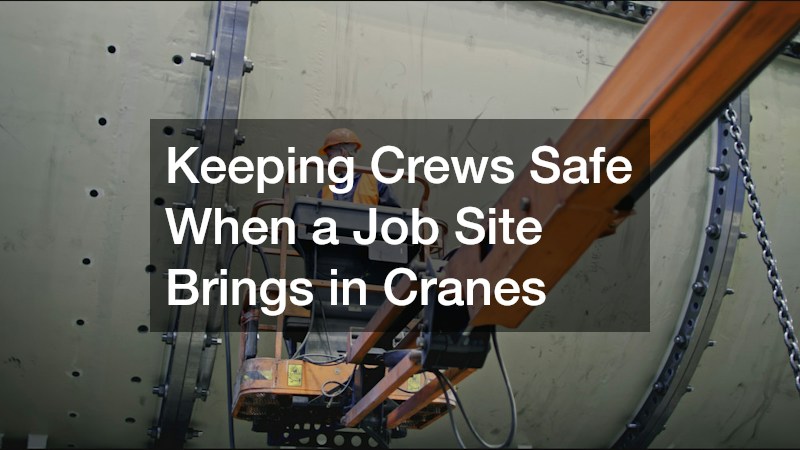
Cranes turn ordinary construction sites into high-stakes environments where a single miscalculation can injure workers, damage property, or halt a project for weeks. If you are overseeing a renovation, build, or commercial project that requires heavy lifting equipment, understanding the basics of crane safety helps you ask the right questions and spot red flags before they become emergencies. This guide breaks down the key factors that keep crews safe on site, from ground conditions to communication protocols, so you can make informed decisions whether you are hiring contractors or simply want to understand what is happening on a job site near you.
Assessing Ground Conditions Before Setup
Every crane operation begins long before the boom ever lifts a load, starting with a thorough evaluation of the ground the equipment will sit on. Soil composition, moisture levels, and buried utilities all affect whether the surface can support the weight of a loaded crane without shifting or sinking. A site that looks solid on the surface can hide soft soil, old fill material, or underground pipes that compromise stability once heavy equipment rolls in.
Experienced crews use ground-bearing pressure calculations and outrigger pads to spread the load across a wider area, reducing the risk of tipping. Weather also plays a role, since recent rain or snowmelt can quickly turn a stable lot into unstable ground.
- Soil testing or review of geotechnical reports before placement
- Outrigger pads or mats to distribute weight evenly
- Checking for underground utilities and voids
- Reassessing conditions after heavy rain or freeze-thaw cycles
Matching Equipment Capacity to the Lift
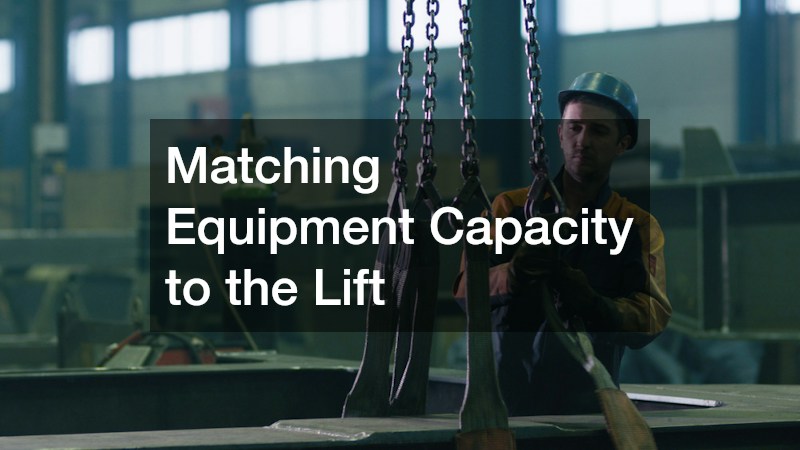
One of the most common causes of crane incidents is using equipment that is not rated for the job at hand. Every crane has a load chart that specifies how much weight it can safely lift at various boom angles and distances, and ignoring that chart invites disaster. Choosing a reputable crane service means working with operators who calculate load weight, rigging weight, and wind resistance before committing to a lift plan.
It also means verifying that the equipment has been inspected and certified within the required timeframe. A qualified provider will walk clients through the lift plan in plain language, explaining why a particular crane size or configuration was chosen for the job. That transparency gives property owners and project managers confidence that the equipment matches the actual demands of the site.
- Reviewing load charts for the specific crane model
- Accounting for wind speed and gusts during the lift
- Confirming rigging and sling ratings match the load
- Verifying current inspection and certification records
Training and Certifying Crane Operators
The person at the controls matters just as much as the machine itself. Crane operators typically need certification through recognized testing bodies, along with ongoing training to stay current on new equipment and safety standards. A certified operator understands not just how to move the controls but how to read site conditions, communicate with ground crews, and recognize when a lift should be paused.
Beyond the operator, signal persons and riggers also need specific training since miscommunication during a lift is a leading cause of accidents. Clear hand signals, radio protocols, and designated spotters reduce the chances of confusion when visibility is limited or noise levels are high.
- Operator certification through an accredited program
- Ongoing refresher training on newer crane models
- Certified riggers and signal persons on every lift
- Documented experience with the specific crane type in use
Establishing Exclusion Zones and Site Access
A crane’s swing radius and load path create danger zones that must stay clear of unauthorized personnel. Establishing a physical barrier, such as fencing or caution tape, prevents workers or visitors from wandering into an area where a shifting load could strike them. Signage alone is often not enough, so many sites assign a dedicated spotter to monitor the exclusion zone throughout the lift.
Visitors and subcontractors unfamiliar with the site layout are especially vulnerable, since they may not recognize where the danger zone begins. Briefing everyone on site, even those not directly involved in the lift, helps reinforce boundaries and reduces the chance of someone stepping into harm’s way.
- Physical barriers around the crane’s swing radius
- A dedicated spotter watching for pedestrian traffic
- Clear signage marking restricted zones
- Pre-lift briefings for everyone working nearby, not just the crew
Planning for Weather and Environmental Hazards
Wind is one of the biggest threats to crane stability, and most manufacturers set strict limits on wind speed for different types of lifts. Lightning, extreme heat, and poor visibility also factor into whether a lift should proceed as scheduled. Responsible crews monitor forecasts throughout the day and are willing to delay work rather than push through conditions that increase risk.
Temporary structures nearby, loose debris, and overhead power lines add another layer of complexity when weather shifts suddenly. A sudden gust can turn a controlled lift into an uncontrolled swing, which is why many site managers set a lower wind threshold than the bare legal minimum as an added safety buffer.
- Monitoring wind speed limits specific to the crane and load
- Watching for storms, lightning, or sudden temperature swings
- Identifying nearby power lines or structures affected by wind
- Building in buffer thresholds below manufacturer limits
Maintaining Communication Throughout the Lift
Even with the best equipment and training, lifts can go wrong when communication breaks down between the operator, riggers, and ground crew. Two-way radios, standardized hand signals, and a single point of command reduce the chances of mixed messages during a critical moment. Everyone involved should understand the lift plan before it begins, including what to do if something goes wrong mid-lift.
Daily briefings before work starts give the team a chance to review the plan, ask questions, and flag any changes in site conditions since the last lift. This habit of constant, clear communication turns a potentially chaotic process into a coordinated one where everyone knows their role.
- A single designated person directing the lift
- Standardized radio checks before work begins
- Hand signal protocols for noisy environments
- Daily briefings covering updates or changes on site
Keeping crews safe when cranes enter a job site comes down to preparation, communication, and respect for the risks heavy lifting equipment introduces. Whether you are managing the project directly or simply want to understand what questions to ask, focusing on ground conditions, equipment capacity, trained personnel, and clear communication puts you in a strong position to avoid costly setbacks. Take time to review safety plans with your contractors before work begins, and do not hesitate to ask for documentation on certifications and inspections. A little diligence upfront protects both your workers and your project timeline.