
Opening a new commercial facility represents one of the largest financial and operational investments a business will ever undertake. Whether launching a corporate headquarters, an industrial distribution hub, a retail storefront, or a regional branch office, the transition involves hundreds of moving parts. A successful facility launch demands synchronization across multiple disciplines, uniting physical construction contractors, trade specialists, network engineers, and risk management leaders. Without a structured operational framework, facility managers frequently encounter extended timelines, unexpected budget overruns, compliance roadblocks, and disjointed handoffs between contractors.
The key to an efficient opening lies in breaking down the overall launch process into clear, manageable phases. Rather than viewing physical building improvements and digital network installations as separate initiatives, modern operations teams must view them as deeply interconnected components of a single timeline. Physical structural modifications directly affect cabling pathways, server room cooling, and hardware placement. Conversely, network design dictates power requirements and physical security layouts across every floor.
This comprehensive checklist guides operational leaders through each step of opening a commercial site. From verifying initial building envelope integrity to setting up sophisticated digital networks and information management protocols, this guide covers the entire journey. Following a disciplined roadmap keeps external contractors accountable, ensures regulatory compliance, and protects capital investments. With careful planning and clear communication, facility leaders can ensure their property opens safely, operates efficiently, and supports long-term corporate growth.
Evaluating the Outer Shell and Plumbing Essentials
Before interior remodeling, technical cabling, or office equipment installation can begin, the building’s outer shell must be thoroughly evaluated and secured. Water intrusion and structural defects are among the most common causes of project delays and financial losses during commercial build-outs. Unaddressed roof leaks or hidden plumbing failures can ruin expensive interior finishes, destroy sensitive computer hardware, and create health hazards through mold growth.
The initial step requires an in-depth inspection of the overhead structure and weather barrier. Facility managers should bring in an experienced commercial roofer to conduct a full assessment of the roofing membrane, flashing, gutters, and drainage pathways. This inspection identifies existing leaks, ponding water issues, compromised insulation, and structural weaknesses before interior work begins. Securing the roof is particularly vital if heavy rooftop mechanical equipment will be positioned overhead later in the renovation process.
At the same time, internal water and waste infrastructure must be rigorously tested. Commercial facilities require reliable water distribution for restrooms, employee break areas, fire suppression systems, and specialized industrial operations. Hiring a certified local plumber ensures all water supply lines, backflow preventers, and drainage systems comply with current municipal codes. Plumbing specialists can perform pressure tests to uncover hidden leaks behind walls or beneath concrete slabs. They also clear debris left behind by former occupants, ensuring main waste lines flow freely and reliably before high-volume daily operations commence.
Powering Operations: Electrical and Climate Infrastructure

With the outer building envelope sealed and basic plumbing verified, attention moves to the internal mechanical and electrical infrastructure. Commercial facilities have vastly higher energy and climate demands than residential properties. Managing these systems requires precision, expertise, and careful foresight to support both daily workflow and future technology expansions.
Electrical infrastructure serves as the primary engine for all physical machinery, lighting, and digital hardware. Engaging licensed commercial electricians early in the build-out phase guarantees that the property possesses sufficient electrical capacity and voltage balancing. Electrical contractors install main service panels, run heavy-gauge conduit, set up dedicated circuits for high-consumption equipment, and position backup generator systems. They also install emergency lighting, exit signage, surge protection networks, and dedicated grounds for server rooms, protecting sensitive IT hardware from unexpected electrical spikes or outages.
Working alongside electrical teams, climate control specialists must design and balance the building’s indoor environment. Contracting professional HVAC services ensures the facility maintains optimal air quality, temperature balance, and humidity control throughout every season. Commercial heating and cooling systems require custom ductwork routing, zoned temperature controls, and integration with central building management software. Dedicated equipment rooms housing servers and network switches require specialized precision cooling units to prevent hardware failure. Proper ventilation design also preserves employee health, reduces energy consumption, and extends overall equipment lifespan.
Interior Aesthetics and Space Transformation
Once foundational utility systems are properly installed within wall cavities and ceiling grids, the project shifts to interior finishing. This phase transforms a raw construction site into a functional, comfortable, and professional working environment aligned with corporate brand standards.
Wall surfaces, support columns, and shared common areas require meticulous surface preparation prior to installing furniture, fixtures, or technical equipment. Hiring a professional commercial painting service ensures that interior surfaces are correctly prepped, patched, primed, and coated with high-durability finishes. Professional painters utilize specialized low-odor, low-VOC commercial products designed to withstand heavy foot traffic, frequent cleaning, and surface scuffs. Proper surface coatings also seal drywall against moisture and provide a clean background for architectural signage and wall-mounted technology.
Color selection should reflect company branding while optimizing light reflection and productivity. Neutral tones in open workspaces maximize ambient lighting efficiency, whereas bold corporate colors in reception areas leave a positive impression on visiting clients. Painting crews must coordinate closely with electrical and cabling contractors, ensuring wall surfaces are prepped, painted, and fully cured before wall plates, switches, monitors, and artwork are permanently installed. A clean finish provides the aesthetic foundation for the entire facility layout.
Establishing Core Telecommunications and Business Connectivity

Modern commercial operations depend heavily on seamless communication networks connecting internal staff with customers, vendors, and branch locations. Establishing a reliable telecommunications footprint is just as vital to business continuity as basic utility connections.
As interior surfaces are finished, IT project leaders must focus on deploying reliable phone systems for business communication needs. Contemporary business telephony extends beyond standard desk phones to encompass unified communication platforms integrating voice calling, video conferencing, instant messaging, and mobile call forwarding into a central interface. During this implementation phase, low-voltage technicians run structured network cabling, build out patch panels, and configure server room equipment racks. Clean cable routing through ceilings and walls prevents network interference and simplifies ongoing maintenance for operational staff.
Setting up telecommunications infrastructure requires coordination between local internet service providers, hardware vendors, and internal administrators. Main telephone numbers, departmental queues, interactive voice response menus, and emergency notification settings must be programmed and rigorously tested prior to opening day. Staff members require clear operational guidelines regarding mobile integration, system features, and call handling procedures. Building redundant connectivity options, such as secondary internet lines or automatic cellular failovers, guarantees that corporate communications remain operational even during provider outages.
Securing Digital Assets and Internal Networks
As server rooms power up and corporate hardware arrives on site, digital security becomes an immediate operational priority. Modern facilities rely on interconnected hardware, making digital perimeters just as vital to protect as physical entrance doors.
Partnering with established providers of cybersecurity services during the build-out phase safeguards corporate networks before live business data begins flowing. Security engineers assess network topology, install enterprise firewalls, implement intrusion detection systems, and establish virtual private networks for secure remote access. Segmenting corporate networks isolates sensitive financial or operational data from public guest Wi-Fi networks, reducing cyber vulnerability. Installing centralized endpoint protection across all desktop computers and configuring multi-factor authentication are critical safeguards that must be active prior to full staff onboarding.
Digital security planning also involves establishing robust data backup protocols and business continuity procedures. Automated cloud and local backup routines protect critical operational databases against hardware failures, software corruption, or external security threats. Running comprehensive vulnerability scans immediately following network deployment allows security engineers to identify and patch potential entry points before systems go live. Proactive digital defense measures safeguard company property, preserve client confidentiality, and maintain business reputation from day one.
Implementing Physical Security and Access Control
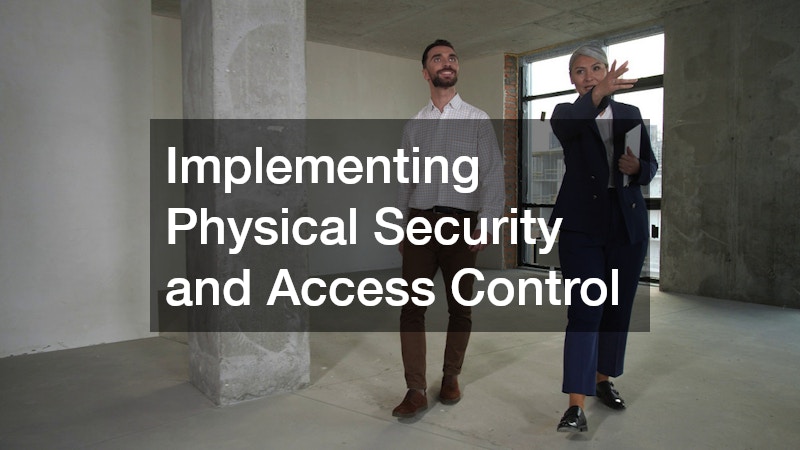
Protecting physical assets, proprietary intellectual property, inventory, and staff members requires robust physical security protocols operating in tandem with digital protections. Comprehensive physical defense deters crime, controls facility movement, and maintains worker safety.
Establishing a secure facility perimeter begins with thorough risk assessment and access management. Engaging a certified provider of private security allows business leaders to design an integrated physical defense system tailored to the specific building layout. Security specialists evaluate vulnerable access points, position high-definition surveillance cameras, and configure electronic access control systems using keycards or biometric scanners. Restricting access to sensitive zones, such as server rooms, executive offices, and inventory storage areas, prevents unauthorized entry and maintains audit trails.
For larger corporate campuses, manufacturing plants, or facilities housing high-value physical goods, deploying trained security personnel on site provides an added layer of safety. On-site guards control visitor intake, verify delivery credentials, conduct perimeter patrols, and respond quickly to security alerts. Combining physical guard presence with automated alarm systems and remote video monitoring ensures the property remains secure during business hours, night shifts, weekends, and holiday closures.
Managing Records, File Shredding, and Offsite Storage
Relocating to a new commercial facility presents an ideal opportunity to organize, audit, archive, or destroy physical paper records accumulated over years of operation. Implementing proper information governance prevents unnecessary clutter and ensures strict compliance with data privacy regulations.
Before packing and moving paper documents into the new facility, management teams should conduct a thorough records audit to distinguish active files from expired documents. Hiring professional paper shredding companies allows businesses to safely dispose of confidential financial records, client files, and HR documents on-site. Certified destruction vendors provide documented proof of destruction, verifying compliance with privacy laws such as HIPAA, FACTA, and state privacy regulations. Purging obsolete paper records eliminates liability, protects client privacy, and reduces moving expenses.
For essential physical files that must be retained for legal, regulatory, or tax purposes, dedicated floor space in a new office can be costly and inefficient. Utilizing secure document storage services offers a practical alternative by transferring physical archives to climate-controlled, highly secure off-site storage facilities. These specialized facilities offer barcode indexing, automated tracking, fire suppression protection, and quick document retrieval options. Outsourcing document management frees up valuable office square footage for employee workstations while keeping critical business records safe and fully accessible.
Streamlining Vendor Coordination and Master Timelines
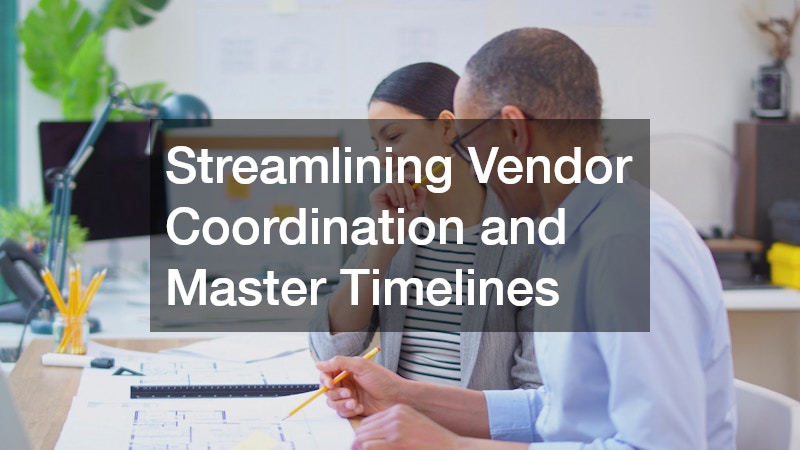
Managing a complex facility build-out requires coordinating dozens of specialized trade contractors, technology installers, and utility suppliers. Without systematic schedule oversight, vendor overlapping leads to project delays, increased labor costs, and safety hazards.
Creating a centralized master schedule aligns operational dependencies so each contractor works efficiently without interfering with other teams. For example, major plumbing work, structural roof repairs, and primary electrical conduits must be completed before wall framing is closed and drywall is finished. Cabling technicians must install low-voltage wiring inside wall cavities before painters begin surface prep. Similarly, interior painting must be completely dry before security installers mount cameras, keypads, or wall displays.
Holding regular project coordination meetings with contractor foremen keeps team members aligned on upcoming milestones and site rules. Facility managers should maintain a shared digital dashboard tracking active work zones, delivery schedules, and completion sign-offs. Building realistic buffer periods between critical construction milestones accommodates minor weather delays or supply chain issues without disrupting the final launch date. Clear communication and proactive scheduling keep vendor teams accountable, maintain work quality, and ensure the overall build-out remains within budget.
Final Operational Audits and Opening Day Readiness
As project completion nears, operational focus shifts from active build-out and technology installation to rigorous system testing, regulatory inspections, and team onboarding. The final pre-opening phase ensures that every physical repair, mechanical system, and digital asset functions perfectly together.
A final comprehensive walkthrough must be scheduled with municipal inspectors to obtain all required operating permits and final certificates of occupancy. Operations teams must test emergency exits, verify backflow preventers, confirm fire sprinkler functionality, and test emergency generator automatic transfer switches during simulated power outages. Simultaneously, IT and security personnel must conduct comprehensive system diagnostics, verifying that phone queues route correctly, security cameras record smoothly, firewalls block external threats, and access cards unlock assigned doors.
Staff orientation represents the final step in pre-launch preparation. Employees must receive clear instructions regarding physical security access, emergency evacuation procedures, telephone system navigation, and network safety rules. Facilities should undergo a comprehensive deep cleaning to clear residual dust and construction debris, leaving workspaces pristine and welcoming. By systematically completing every step from structural repairs to digital setup, business leaders can open their doors with total confidence, knowing their facility is safe, compliant, and ready for long-term operational success.