

Every business budget accounts for rent, payroll, and inventory, but few line items exist for the disruptions that strike without warning. A burst pipe, a sudden vehicle collision involving a company driver, or an office lease that ends abruptly can derail operations in ways spreadsheets never predict. These events do not just cost money in the moment; they create ripple effects that drain productivity, morale, and customer trust for months afterward. Understanding where these hidden costs hide is the first step toward building a business that can absorb a shock without collapsing.
Vehicle Collisions Involving Company Staff
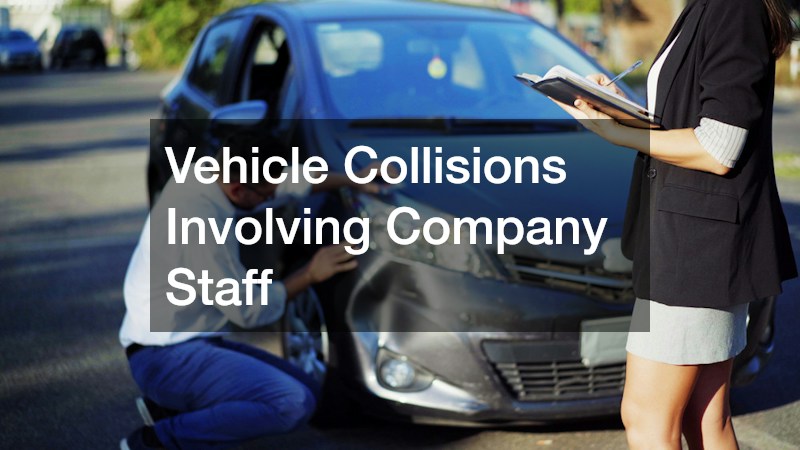
When an employee is driving for work purposes and gets into a collision, the costs extend far beyond the vehicle repair bill. There is lost productivity while the employee recovers, potential replacement labor costs, and the time management spends sorting out insurance claims and police reports. Even a minor car accident can trigger weeks of administrative follow-up, from filing paperwork with the insurer to coordinating medical documentation if the employee was injured.
A single car accident involving a delivery driver or sales representative can quietly cost a small business thousands of dollars in downtime that never shows up on an expense report. Consider the ripple effects: missed deliveries that upset customers, a sales territory left uncovered for days, and overtime pay for other staff who pick up the slack. If the company vehicle is totaled, there’s also the cost and delay of sourcing a replacement, which can take weeks depending on supply chain conditions.
Liability exposure adds another layer of hidden cost. If the employee was found at fault, the business may face higher insurance premiums for years afterward, not just a one-time claim payout. In more serious cases involving injury to a third party, legal fees and settlement negotiations can stretch on for months, quietly draining management’s time and the company’s cash reserves long after the vehicle itself has been repaired or replaced.
Many business owners assume their commercial auto policy covers everything, but gaps often exist around medical costs, lost wages for the injured party, and third-party liability claims. A policy might cap medical payments at $5,000 or $10,000, far short of what an ER visit, surgery, or extended physical therapy can cost. Liability limits that seemed generous when the policy was purchased can also look thin once a lawsuit, a totaled vehicle, and months of missed work are added to the bill.
These gaps can turn a routine fender bender into a prolonged legal and financial headache. A single at-fault collision involving an employee can trigger workers’ compensation claims, third-party lawsuits, increased insurance premiums, and even OSHA reporting requirements if the employee was injured on the job. Add in vehicle repair or replacement costs, rental coverage while a company vehicle is out of service, and potential reputational damage if the incident involves a customer-facing vehicle, and the true cost quickly outpaces what most businesses have set aside. Building a response plan before an incident happens, rather than scrambling afterward, saves both time and money. That plan should spell out who contacts the insurance carrier, how incident details and witness statements get documented, and what immediate steps supervisors take to secure medical care for anyone injured.
It’s also worth reviewing driving record requirements for employees who operate company vehicles, since a history of violations can affect both premiums and liability exposure after a crash. Finally, businesses should periodically audit their coverage limits against realistic worst-case scenarios rather than assuming the original policy still fits. A company that has added vehicles, hired more drivers, or expanded delivery routes since its policy was last reviewed may be carrying far more risk than its coverage reflects.
- Lost billable hours while the employee is unable to work, recovering, or attending medical appointments
- Vehicle downtime affecting delivery schedules or client visits, especially if a replacement vehicle isn’t immediately available
- Increased insurance premiums following a claim, sometimes lasting for several years afterward
- Administrative time spent managing paperwork, claims, and coordinating with insurers or legal advisors
- Potential damage to client relationships due to missed deadlines or rescheduled appointments
- Costs of hiring temporary cover or redistributing workload among remaining staff
- Possible overtime pay for colleagues picking up the slack
- Legal and compliance costs if the collision triggers an investigation or regulatory review
Workplace Injuries and the Legal Aftermath
A slip, a fall, or an equipment malfunction on business premises can trigger a chain of events that stretches well beyond the initial injury. Medical bills, workers compensation claims, and potential lawsuits all add layers of cost that are difficult to predict in advance. In more complicated cases, an injured employee or customer may consult personal injury lawyers to determine whether the business was negligent in maintaining a safe environment.
Even when a business is not ultimately found liable, the cost of legal defense, documentation, and lost focus during an investigation adds up quickly. Many small businesses do not have a dedicated legal budget line for these situations, which means the expense gets absorbed elsewhere, often by cutting into marketing or hiring plans. Having a basic understanding of liability exposure and documented safety protocols can reduce both the likelihood and the severity of these incidents.

Water Damage and Plumbing Emergencies
Water damage is one of the most underestimated threats to business continuity. A clogged pipe or failed drainage system can shut down an entire office or retail space within hours, destroying inventory, equipment, and flooring before anyone notices the problem. Because these issues often happen outside business hours, by the time staff arrive the damage has already spread.
Preventive maintenance contracts with commercial drain cleaning companies are far less expensive than emergency remediation after a flood has already occurred. Regular inspections can catch slow-building blockages caused by grease, debris, or aging pipes before they become a full system failure. Businesses that skip this maintenance often find themselves paying for both the plumbing repair and the extended closure needed to dry out and restore the space.
- Equipment and electronics damaged by standing water
- Mold growth requiring specialized remediation
- Lost revenue during forced closures
- Increased insurance deductibles for repeat claims
- Inventory spoilage in retail or food service settings
Sudden Office Relocation Needs
Businesses rarely plan for the possibility that they might need to move locations on short notice, whether due to a lease termination, a natural disaster, or an unexpected rent increase. Scrambling to find new space while maintaining daily operations is stressful and expensive, especially when the move has to happen within a matter of weeks rather than months. The costs of a rushed move are almost always higher than a planned one.
Working with established office moving companies can reduce the chaos, but businesses still need to budget for lost productivity during the transition, temporary storage fees, and the cost of updating signage, stationery, and digital listings with a new address. Employees also need time to adjust to a new commute and layout, which can quietly reduce output for several weeks. A disruption of this scale touches nearly every department, from IT to customer service.
- Temporary storage costs for furniture and equipment
- IT infrastructure setup and downtime during the transition
- Updated signage, business cards, and marketing materials
- Employee adjustment time affecting short-term productivity
- Client communication to prevent service disruptions
Equipment Failure and Technology Outages
A server crash, a point-of-sale system failure, or a broken piece of manufacturing equipment can halt operations just as effectively as a natural disaster. Unlike physical damage, technology failures are often invisible until the moment they strike, leaving no time to prepare a workaround. The cost is not just the repair or replacement, but every transaction, order, or service call that could not happen while the system was down.
Businesses that rely heavily on a single vendor or piece of equipment without a backup plan are especially vulnerable. Building redundancy into critical systems, even in a small way, can mean the difference between a minor inconvenience and a multi-day shutdown. Reviewing which systems are truly mission critical is a useful exercise for any business owner trying to prioritize limited resources.
Legal Exposure from Customer Incidents
When a customer is injured on business property, the financial fallout can be significant even if the injury seems minor at first. Medical costs, potential settlements, and the time spent gathering evidence and witness statements all add up. In more serious cases, the customer may retain an injury attorney to pursue compensation, which can extend the dispute for months or even years.
Clear documentation, prompt incident reporting, and regular safety audits are the most effective ways to limit this exposure. Businesses that wait until an incident happens to think about liability are almost always at a disadvantage compared to those with established protocols already in place. A small investment in staff training on incident response can prevent a minor accident from becoming a drawn-out legal matter.
- Medical expenses for injured customers or visitors
- Legal fees for defense or settlement negotiations
- Reputational damage from public incidents
- Increased liability insurance premiums
- Staff time diverted to investigation and documentation
Unplanned disruptions rarely announce themselves in advance, which is exactly why they cost so much when they arrive. Building even a modest reserve fund, documenting safety procedures, and knowing which vendors or professionals to call before an emergency happens can turn a potential crisis into a manageable setback. Taking the time now to review insurance coverage, maintenance schedules, and emergency contacts is a small investment compared to the cost of being caught unprepared. The businesses that weather disruptions best are rarely the luckiest ones, they are the ones that planned ahead.