Trying a new winter activity can be both exciting and a little intimidating, especially when it involves powerful equipment and unfamiliar terrain. For many people, snowmobiling is their first introduction to motorized winter recreation, offering a unique way to explore snowy landscapes while enjoying a sense of freedom and adventure. Knowing what to expect before your first ride can help you feel more confident, stay safe, and get the most out of the experience.
Understanding the Basics Before You Ride
Before heading out, it’s important to understand how a snowmobile works. Snowmobiles are controlled using handlebars, a throttle, and a brake system similar to a motorcycle or ATV.
The throttle is typically operated with a thumb lever, while the brake is hand-controlled. Steering requires leaning your body slightly in the direction you want to go, especially when turning at higher speeds.
Most first-time riders are given a brief orientation or safety overview. Pay close attention during this time, as it covers essential topics like starting and stopping, emergency shutoff procedures, and proper riding posture. These basics make a significant difference in how comfortable you feel once you’re on the trail.
Dressing for Comfort and Safety
Proper clothing is critical for a positive first experience. Winter conditions can change quickly, and wind chill can make temperatures feel much colder when you’re moving at speed. Insulated jackets and snow pants, waterproof gloves, and sturdy boots are strongly recommended.
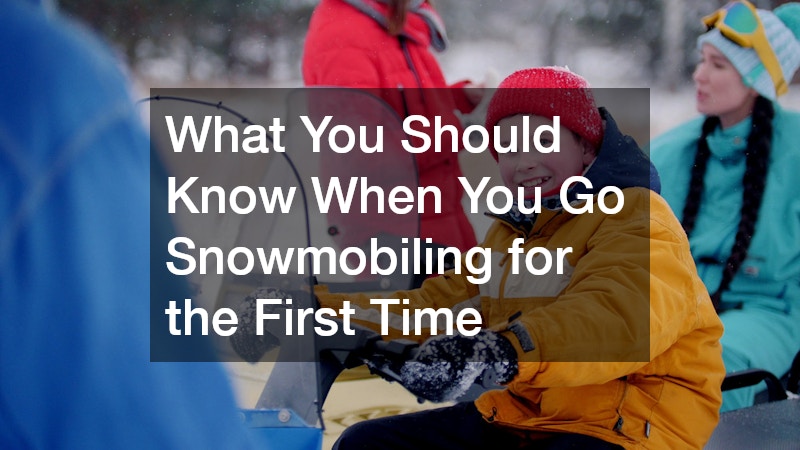
A helmet is essential for safety and is often provided by rental companies. Goggles or a visor help protect your eyes from wind, snow, and glare. Dressing in layers allows you to adjust your comfort level throughout the ride, helping you stay warm without overheating.
Learning Trail Rules and Etiquette
Snowmobile trails are designed to keep riders safe and protect the surrounding environment. As a beginner, it’s important to follow posted signs, stay on designated paths, and respect speed limits. Many trails are shared with other riders, so maintaining a safe distance and being aware of your surroundings is essential.
Hand signals and basic trail etiquette are often explained during the safety briefing. These signals help communicate with other riders and can alert others to turns, stops, or potential hazards ahead. Understanding these rules helps ensure a smoother experience for everyone on the trail.
What the Riding Experience Feels Like
For first-timers, the sensation of gliding across snow can be surprisingly smooth. Snowmobiles are built to handle uneven terrain, and most beginner-friendly models are stable and easy to control. Starting slowly allows you to get used to the machine’s responsiveness and build confidence over time.
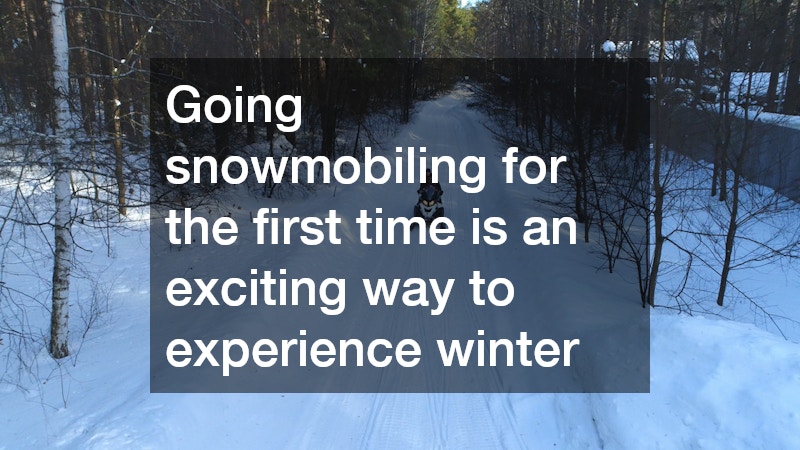
Snowmobiling offers a mix of adrenaline and relaxation. While there is excitement in accelerating and maneuvering through turns, there’s also an opportunity to take in winter scenery that might otherwise be inaccessible. Forests, open fields, and mountain trails often provide breathtaking views that make the experience memorable.
Safety Tips to Keep in Mind
Safety should always be a top priority, especially on your first outing. Ride at a speed that feels comfortable and avoid pushing beyond your skill level. Sudden turns or excessive speed can increase the risk of losing control, particularly on icy or uneven surfaces.
It’s also important to stay aware of weather conditions. Snowfall, fog, or high winds can reduce visibility and affect trail conditions. If conditions change, slowing down or ending the ride early is a smart decision. Carrying basic supplies, such as a phone or emergency contact information, adds an extra layer of preparedness.
Guided vs. Self-Guided Rides
Many first-time riders choose guided tours, which can be an excellent option for learning. Guides set the pace, handle navigation, and provide assistance if needed. This allows beginners to focus on riding and enjoying the scenery without worrying about getting lost.
Self-guided rides offer more freedom but require a higher level of confidence and responsibility. If you choose this option, make sure you fully understand trail maps, boundaries, and return times. Both options can be enjoyable, but guided experiences often provide added peace of mind for newcomers.
Building Confidence as You Go
Confidence develops quickly with practice. After the first few minutes on the trail, most beginners find that snowmobiling feels more intuitive than expected. Starting slow, asking questions, and listening to instructions all help create a positive learning curve.
Many riders discover that their initial ride sparks an interest in exploring longer trails or returning for another outing. Each experience builds familiarity with the machine and environment, making future rides even more enjoyable.
Going snowmobiling for the first time is an exciting way to experience winter from a new perspective. With the right preparation, proper clothing, and a focus on safety, beginners can enjoy the thrill while staying comfortable and confident. By understanding the basics and respecting trail guidelines, your first snowmobiling adventure can be both fun and memorable, setting the stage for many future winter outings.