
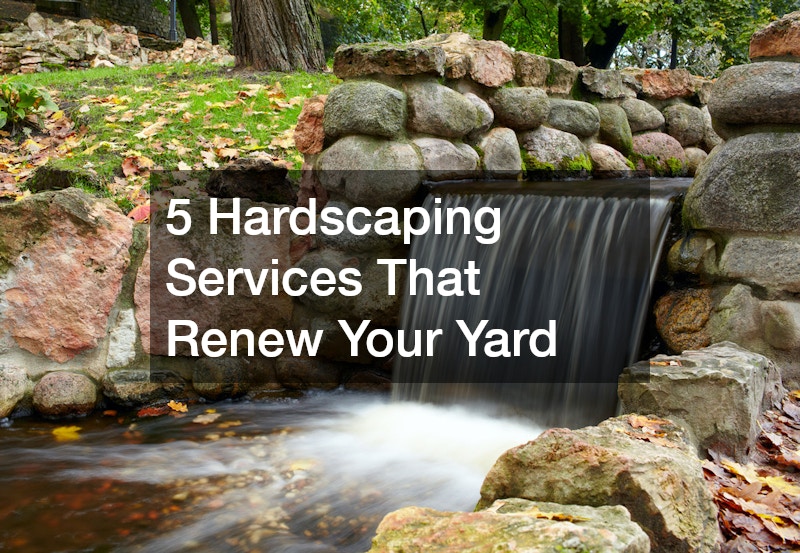
Hardscaping is a critical component of modern landscape design, providing structure, durability, and long-term functionality to outdoor spaces. While softscaping elements such as grass, trees, and plants add natural beauty, hardscaping forms the backbone of a well-planned yard. Features made from stone, concrete, brick, and wood create defined spaces, improve accessibility, manage water flow, and significantly reduce long-term maintenance. When professionally designed and installed, hardscaping enhances both the visual appeal and practical use of a property.
Homeowners increasingly turn to hardscaping to make their yards more usable throughout the year. From entertainment areas to structural solutions for uneven terrain, hardscaping projects allow outdoor spaces to function as true extensions of the home. The following five services represent some of the most popular and impactful hardscaping upgrades available today, each offering unique benefits while contributing to a cohesive outdoor design.
Patios and Walkways
Patios and walkways are often the foundation of any hardscaping project because they establish how people move through and use a yard. A patio provides a stable, level surface for outdoor furniture, dining sets, grills, and seating areas, creating a dedicated space for relaxation and entertainment. Walkways connect different areas of the property, such as driveways, entrances, patios, gardens, and backyards, making navigation safer and more intuitive.
One of the primary advantages of patios and walkways is their durability. Materials like pavers, natural stone, stamped concrete, and brick are designed to withstand heavy foot traffic and changing weather conditions. These surfaces replace worn or muddy grass areas, reducing maintenance while improving drainage and preventing erosion. In addition, patios and walkways help define the layout of a yard, giving it structure and organization rather than an open, undefined appearance.
From a design perspective, patios and walkways allow for extensive customization. Patterns, colors, textures, and materials can be selected to complement the home’s architecture and surrounding landscape. When properly installed with a solid base and proper grading, these features provide long-lasting value and improve both daily use and overall curb appeal.
Retaining Walls
Retaining walls play a vital role in managing landscapes with slopes, elevation changes, or unstable soil. Their primary function is to hold back soil, prevent erosion, and control water runoff, but their impact extends far beyond structural support. By transforming sloped or uneven terrain into usable, level areas, retaining walls open up new possibilities for outdoor living and landscaping.
In residential settings, retaining walls are commonly used to create tiered yards, raised planting beds, seating areas, or flat spaces for patios and walkways. This makes them especially valuable for properties where natural terrain limits how the yard can be used. Without retaining walls, these spaces may remain difficult to maintain or unsafe.
Retaining walls also contribute significantly to the visual design of a yard. Materials such as natural stone, decorative concrete block, or masonry allow the wall to blend seamlessly with the surrounding landscape or stand out as a design feature. Curved or tiered walls add dimension and texture, breaking up flat surfaces and enhancing visual interest. When built correctly, retaining walls increase safety, improve drainage, and provide long-term stability while elevating the overall appearance of the property.
Outdoor Kitchens and Fire Pits
Outdoor kitchens and fire pits are among the most desirable hardscaping features for homeowners who enjoy entertaining or spending time outdoors. These elements transform a backyard from a simple outdoor area into a functional living space designed for comfort and social interaction. Outdoor kitchens range from basic grill setups to fully equipped cooking areas that include countertops, sinks, storage, refrigerators, and seating.
Fire pits serve as natural gathering points, offering warmth, ambiance, and extended seasonal use. Whether fueled by wood or gas, fire pits create an inviting atmosphere that encourages conversation and relaxation. They allow homeowners to enjoy their outdoor spaces during cooler evenings and colder months, increasing the overall usability of the yard.
Together, outdoor kitchens and fire pits enhance lifestyle quality while adding substantial value to a property. They are often integrated with patios, seating walls, and lighting to create a cohesive design. As permanent hardscape features, they require thoughtful planning and professional installation to ensure safety, durability, and proper functionality.
Pergolas and Gazebos
Pergolas and gazebos add vertical structure and architectural interest to outdoor spaces while improving comfort and usability. These structures help define outdoor “rooms” by creating a sense of enclosure without fully closing off the space. Pergolas typically feature open or slatted roofs that provide partial shade, while gazebos offer more complete coverage and protection from the elements.
These hardscaping features are particularly effective for enhancing patios, seating areas, or garden spaces. By providing shade, pergolas and gazebos make outdoor areas more comfortable during hot weather and allow homeowners to enjoy their yard for longer periods throughout the day. They also serve as visual focal points, anchoring the landscape design and adding height and balance to the overall layout.
Customization options such as lighting, ceiling fans, curtains, or climbing plants further enhance functionality and style. Whether used for dining, lounging, or quiet relaxation, pergolas and gazebos improve both the appearance and practicality of outdoor spaces.
Water Features and Pond Installations
Features such as fountains, waterfalls, streams, and ponds introduce a natural element that balances the solid materials commonly used in hardscaping. The sound of flowing water creates a peaceful environment while helping to mask background noise from traffic or nearby neighbors.
Ponds and water features also add visual depth and serve as natural focal points within a yard. When integrated with stonework, pathways, and surrounding plantings, they enhance the overall cohesion of the landscape design. In addition, water features can attract birds and wildlife, making the outdoor space feel more connected to nature.
From subtle accent features to large pond installations, water elements elevate the sensory experience of an outdoor space. Proper design and installation are essential to ensure water circulation, safety, and long-term performance.
Hardscaping is an investment that delivers lasting benefits in both form and function. By combining durable materials with thoughtful design, homeowners can create outdoor spaces that are easier to maintain, more comfortable to use, and visually appealing year-round. Whether the goal is improved accessibility, enhanced entertainment areas, or better use of uneven terrain, professional hardscaping solutions provide structure and value that stand the test of time.
From patios and retaining walls to outdoor kitchens and water features, these hardscaping services work together to transform yards into well-designed outdoor environments that enhance everyday living and increase property value.